Green Building Certifications and Sustainability

Featured Image of Green Building Certifications and Sustainability


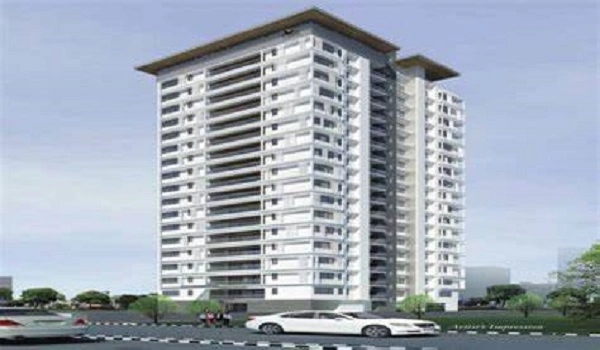
Green building certifications check that a home cuts energy use by 20% to 30% and saves 30% to 50% more water than an ordinary house. These badges show how much power, clean water, and waste a building handles from day one. Over 140,000 buildings around the world use these tests to fight the 37% of air pollution caused by regular construction.

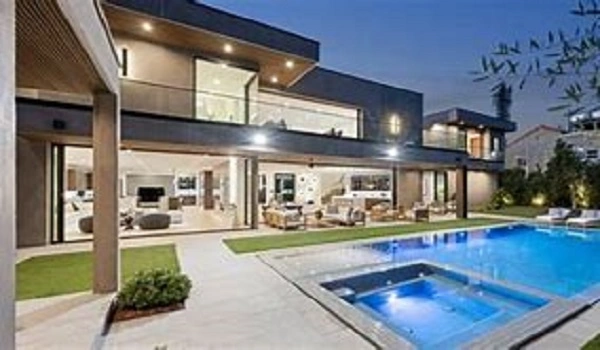
Living in a certified home can give your family cleaner air, better comfort, and lower monthly bills. These homes may filter dust and reduce indoor paint smells, helping keep the air fresh. They can also collect rainwater from the roof and reuse it for plants and lawns. Some families may save around 15% to 25% on power and water bills.

What Are Green Building Certifications?


Green building certifications work like a simple report card for a building. They show how well a property saves energy and water compared with a regular home.

Independent teams check things like windows, walls, and utility use before giving the building its rating. Some certified buildings may use 20% to 50% less energy and water.

  • Lower Power Use: Cool roof paint, thick glass, and LED lights keep rooms cool without running air conditioners all day.
  • Saving Every Drop: Taps use special aerators, and on-site tanks catch rainwater to clean it and reuse it later.
  • Safer Building Goods: Crews sort their trash on site and recycle at least 75% of broken concrete, wood, and metal.
  • Fresh Air Inside: Good ventilation fans pull fresh outdoor air inside, keeping indoor dust and chemical levels very low.

The Best-Known Rating Systems: LEED, IGBC, and GRIHA


Green rating systems hand out points for smart planning, and top-tier properties generate 10% to 15% of their own power using sunny rooftop panels. Each system focuses on local weather rules to keep buildings running smoothly and affordably.

Rating System Main Organization Where It Works Top Award Level
LEED U.S. Green Building Council Worldwide (180+ Countries) Platinum
IGBC Indian Green Building Council India (Hot, Sunny Climates) Platinum
GRIHA TERI and Ministry of Energy Indian Public Sector 5-Star
BREEAM Building Research Establishment UK and Europe Outstanding

LEED checks daily power use and rewards builders who rely on clean solar electricity. IGBC helps buildings in warm regions by scoring big for window sunshades that block heat and catch cool breezes. GRIHA pushes construction teams to buy local stones, sand, and bricks within 400 kilometers of the plot. BREEAM checks how long materials last and makes sure local trees and birds stay safe during construction.
Key Steps in Building a Sustainable Home


Sustainable building blends smart window placement with lighter blocks to cut total carbon emissions by up to 40% over 50 years. Modern projects swap out red clay bricks for lightweight concrete blocks that block outdoor summer heat much better.

  • Sun-Smart Windows: Windows take up about 30% to 40% of wall space, letting in sunny daylight without overheating the rooms.
  • Two Sets of Pipes: Clean drinking water flows to kitchen sinks, while safe treated water goes straight to flush tanks and garden hoses.
  • Rooftop Solar Cells: Solar panels soak up daylight to power lift motors, lobby lights, and common water pumps.
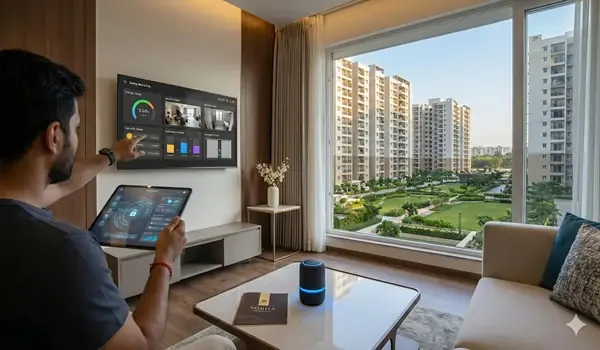
  • Digital Power Checks: Smart meters track power lines every 15 minutes to find electricity leaks and shut off waste quickly.

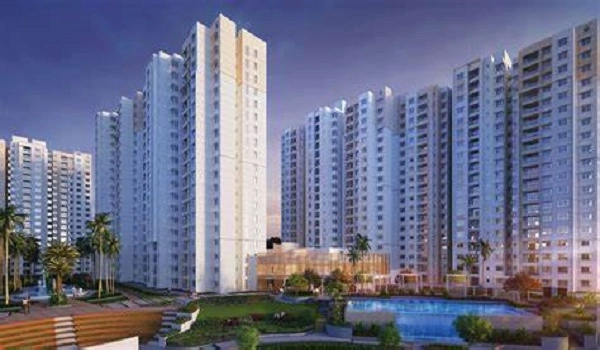
Prestige Avon: one of the best example for Green Planning and Open Spaces in Bengaluru


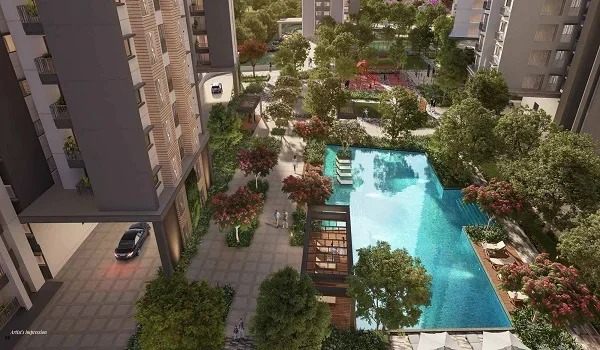
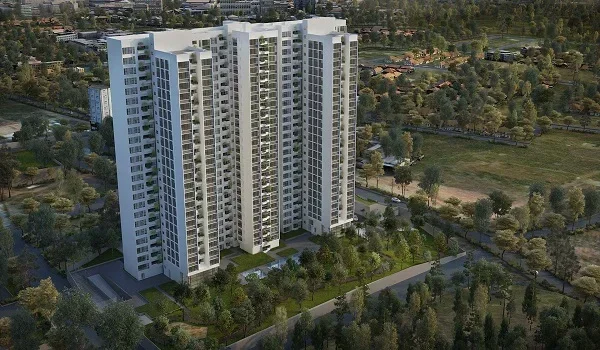
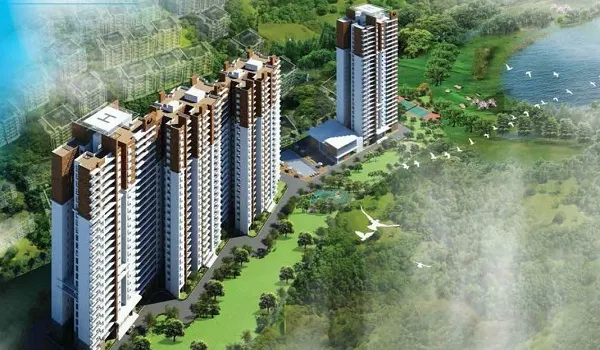
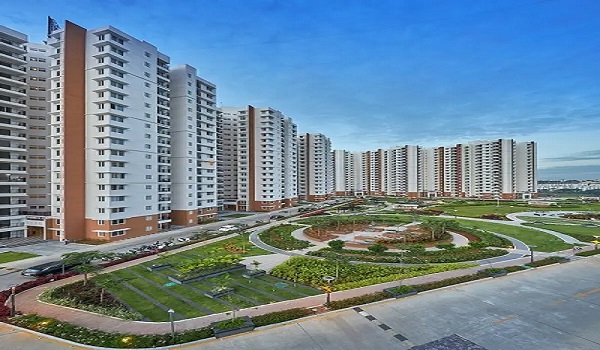
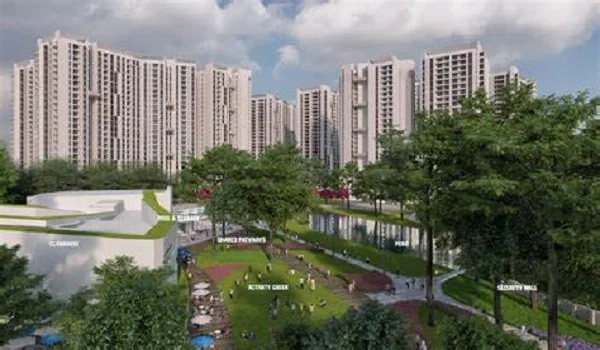
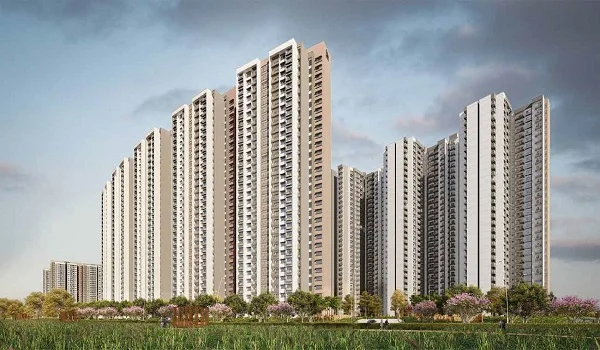
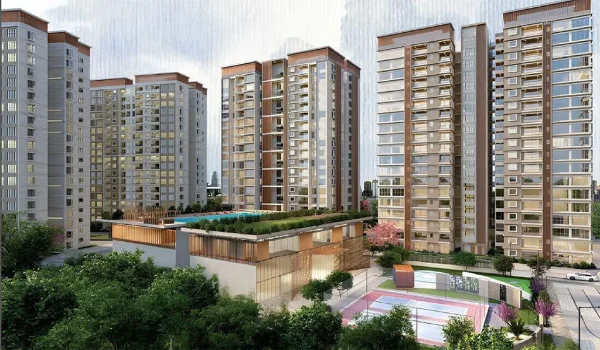
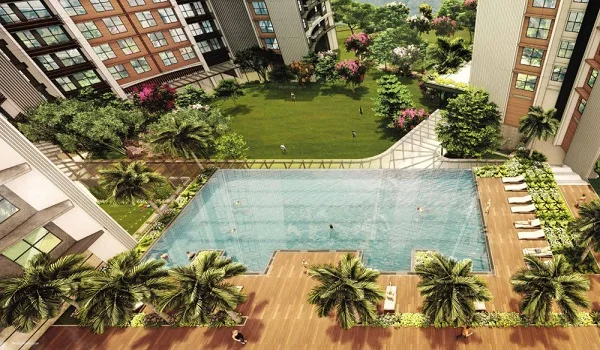
Prestige Avon brings green living to its 3-acre layout, with around 35% of the ground area kept open for trees, parks, and walking paths. Located on Thanisandra Main Road in North Bengaluru, the project has 250+ flats across three 16-floor towers. The buildings cover only about 30% of the land, leaving more open space for fresh air, outdoor play, and relaxing walks.

The water system on the property uses a working treatment plant along with built-in rainwater collection tanks. Recycled water takes care of all community lawn watering and toilet flushes, saving clean municipal water for daily home use. Underground recharge pits catch heavy monsoon rains from pathways, stopping muddy puddles and refilling dry underground water tables.

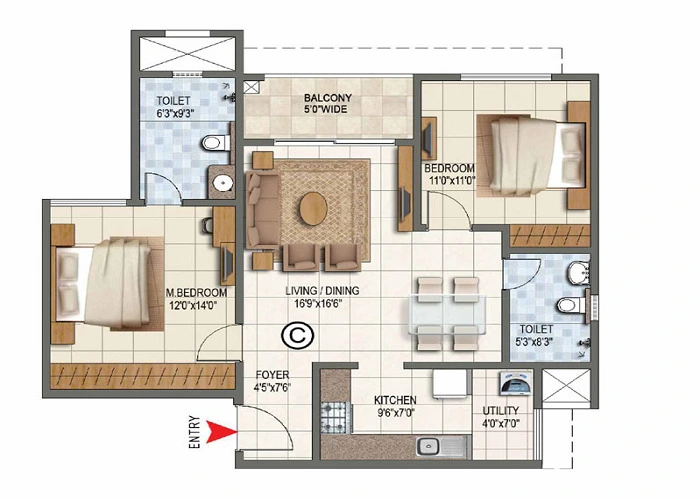
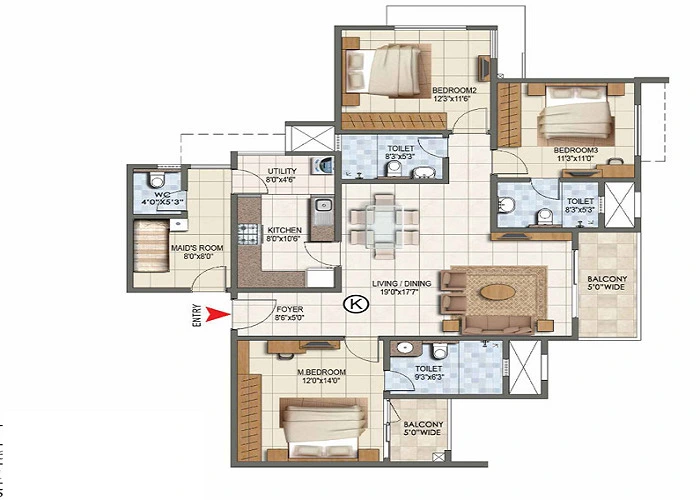
The homes come in 2- and 3-BHK floor plans between 1,300 sq. ft. and 2,000 sq. ft., planned to let daylight and cool air flow through every room. Basement parking provides space for 1.2 to 1.5 cars per flat, keeping the open ground free of parked cars and hot tarmac. Located right near Manyata Tech Park and the planned Blue Line metro, the property gives families an eco-friendly home close to everyday transit.

Why Buying an Eco-Friendly Home Pays Off


Certified green homes sell for 7% to 14% more and rent out for 3% to 8% more money than standard homes on the same street. Banks and major home buyers prefer these properties because they are cheap to run, well-built, and safe from future pollution penalties.

  • Noticeably Lower Bills: Smart LED bulbs, smooth fans, and low-flow taps cut basic monthly utility costs by 18% to 28%.
  • Fast Rentals: Clean, airy flats rent out 20% faster because tenants love low electricity bills and clean indoor air.
  • Lower Loan Rates: Many banks cut home loan interest rates by 10 to 25 basis points for buyers picking certified green homes.
  • Ready for the Future: These homes already pass tough new city energy rules, so you avoid costly renovation bills later on.

FAQs


1. How much power does a certified green building save?

A certified green building usually cuts power use by 10% to 30% compared to a standard home.

2. What green features are built into Prestige Avon?

Prestige Avon features an on-site wastewater treatment plant, rainwater harvesting pits, and 35% open space with lush gardens across its 3-acre property.

3. Does an eco-friendly building cost more to build?

Going green adds only 1.5% to 3.5% to basic upfront building costs, and lower electricity and water bills pay that back within two to four years.

4. Can green buildings run with zero waste?

Yes, many top buildings compost vegetable scraps and wet waste into rich garden soil on site, while sending paper and plastic straight to recycling bins.

Prestige Avon Blog


Enquiry
Enquire Now