What to expect during the apartment buying process?
Featured Image of What to expect during the apartment buying process?


The apartment buying process follows a clear, step-by-step journey that starts with paying a 20% down payment and ends with settling 7% to 11% in state taxes and registration fees. The full deal usually takes between 45 and 90 days to close if you pick a ready flat. Buying a home under construction takes longer because you pay the builder in small chunks as each floor gets built. Along the way, you will get your home loan cleared, check property deeds with a lawyer, inspect your rooms for flaws, and sign the deed at your local sub-registrar office.

This simple guide walks you through each step of the journey so you can buy your flat safely and avoid surprises.


1. Setting Your Flat Budget and Getting Loan Approval


Fixing your home budget early helps you save enough money for a 20% down payment and keep your monthly loan EMI under 40% of your take-home pay. You must also keep extra cash ready for taxes, registration fees, and simple home setups.

  • Your Down Payment: Banks will loan you up to 80% or 90% of the flat cost, so you must pay the rest from your savings.
  • Extra Taxes and Fees: Keep an extra 7% to 11% aside to pay for state stamp duty, registration charges, and water or power meters.
  • Paperwork for the Bank: Bring your last 6 months of bank statements, 3 years of salary slips, and PAN card to get your loan passed fast.
  • Your Credit Score: Keep your credit score at 750 or above so banks give you their lowest home loan interest rates.

2. Checking Land Papers and Government Clearances


Checking land papers with a good property lawyer helps you confirm that the seller holds a clean title and that the building has no bank debts or court cases. Under current RERA rules, builders must also keep 70% of buyer money in a separate project bank account so funds never get used elsewhere.
  • The 30-Year Encumbrance Paper: Get an Encumbrance Certificate (Form 15) for the last 30 years to prove no old loans or unpaid debts sit on the land.
  • Approved Building Blueprints: Ask for layout copies stamped by the local town planning office before you sign any booking forms.
  • Commencement Certificate: Check that the municipal office gave the builder a clear go-ahead to start civil work on the site.
  • Bank Project Numbers: Check if major banks have given the project a direct loan code, which proves they have already read and cleared the title files.

3. Applying the Apartment Buying Process to Real-World Projects: Prestige Avon, Thanisandra


Before buying a home, check the builder’s papers, launch price, legal records, and your budget. This helps you know what you can afford and avoid money problems later.

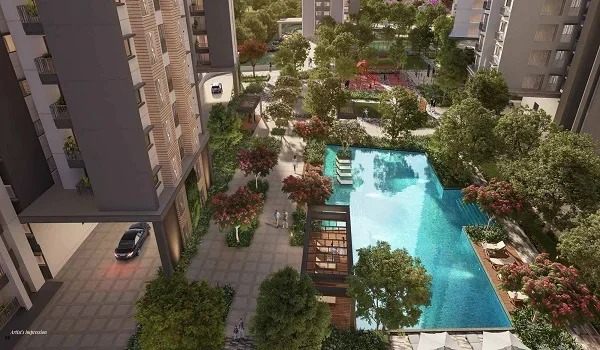
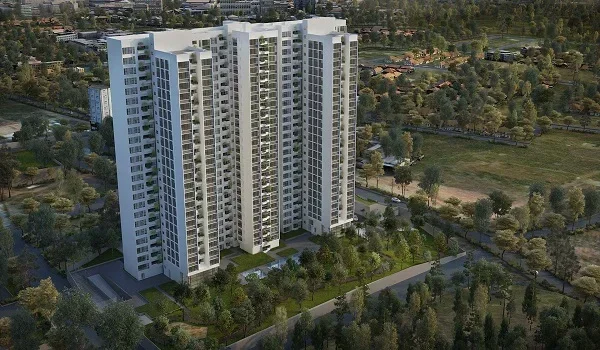
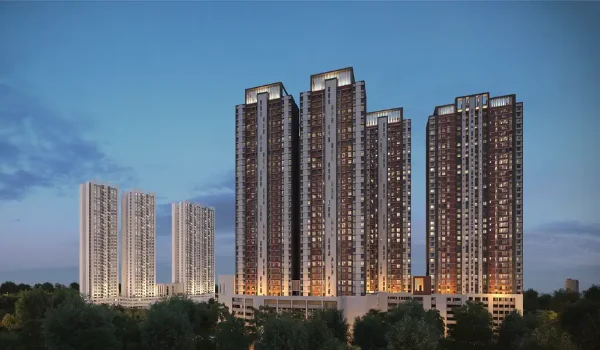
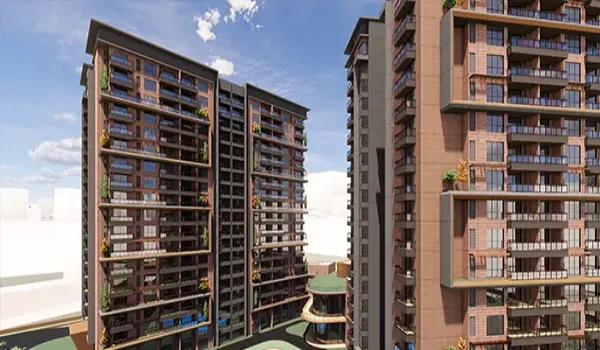
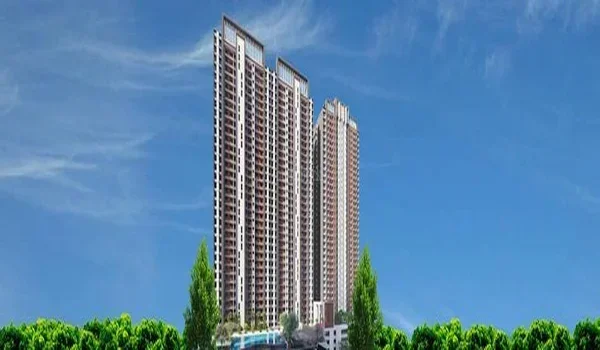
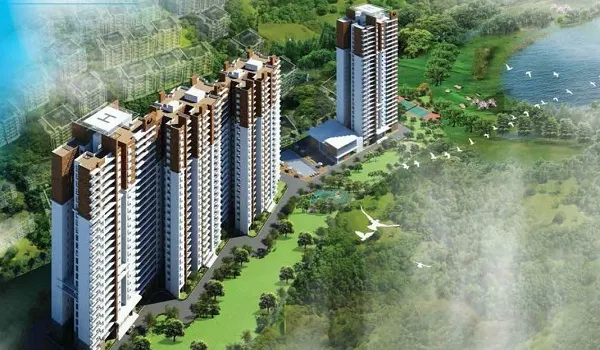
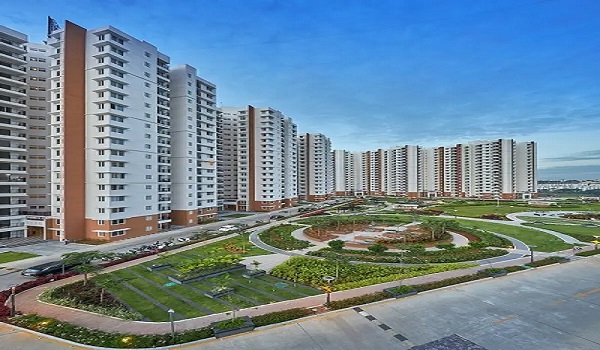
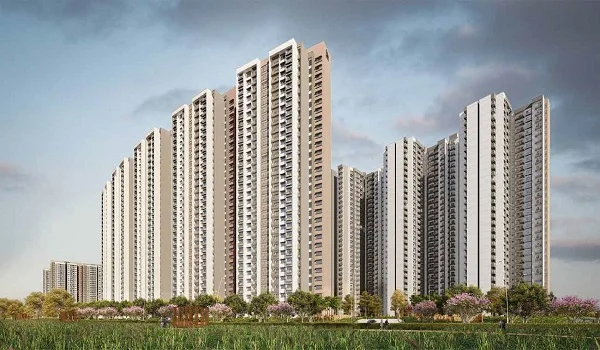
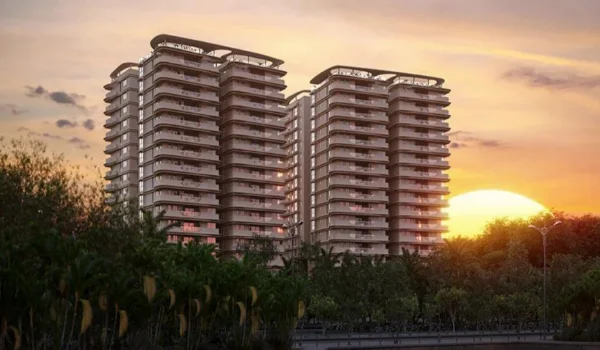
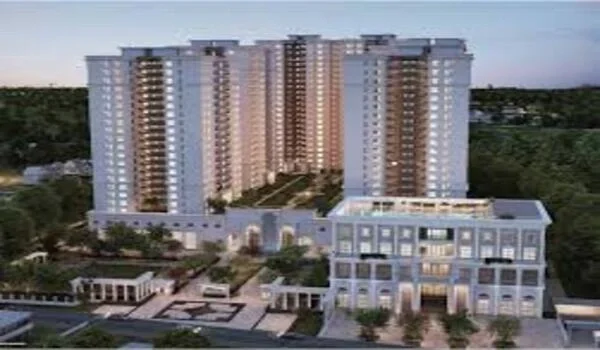
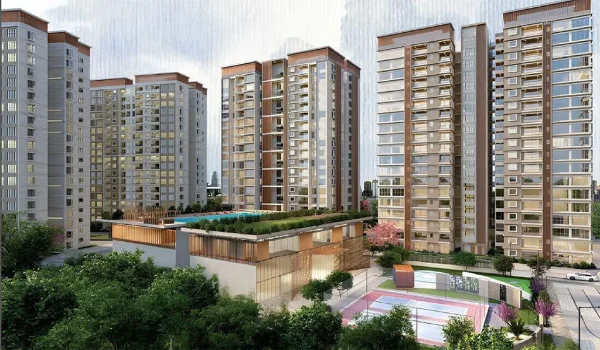
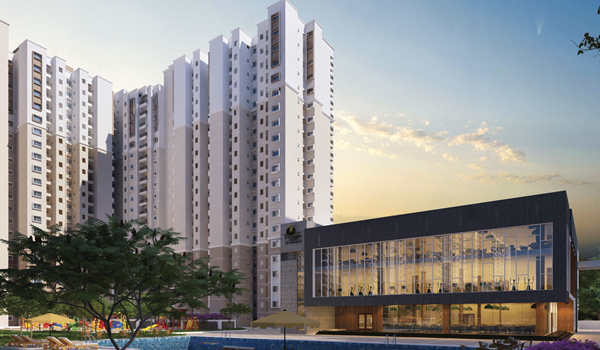
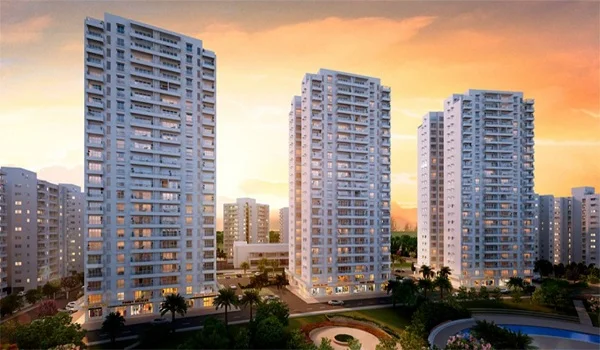
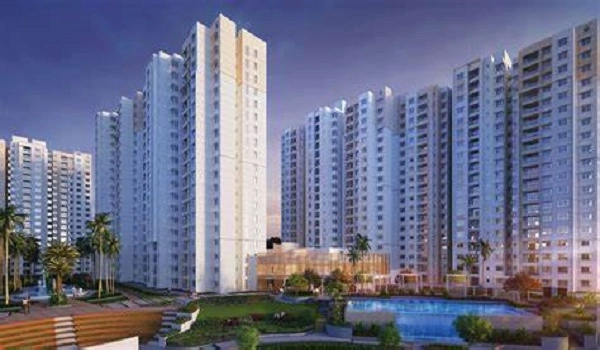
Prestige Avon is on Thanisandra Main Road in North Bengaluru. Built by Prestige Group on 3 acres, the project has 3 G+16 towers with 250+ flats. It is a good example of why buyers should check the builder, flat size, price, and total cost before booking.

Checking this exact property shows you how local area travel times and building dates shape your home-buying steps:

  • Price and Flat Sizes: The 2 BHK covers 1,300 sq. ft. and starts at around ₹1.73 crore*. The 3 BHK mid-size covers 1,700 to 1,900 sq. ft. and starts at around ₹2.30 crore*. The large 3 BHK covers 2,000 sq. ft. and starts at around ₹2.78 crore.
  • Buyers should check these base prices in the written cost sheet. Floor-rise fees, taxes, and other charges may add to the final price.
  • Travel and Location Checks: The site is about 7 km from Manyata Tech Park and 4.6 km from Yelahanka Metro Station, making daily travel easier. Checking nearby work hubs can help support your home's value and rental demand over time.
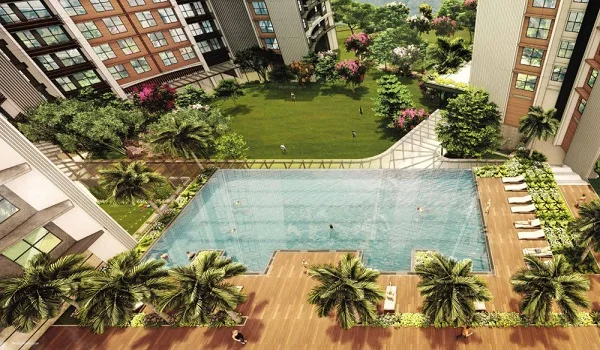
  • Layout and Open Space: The design leaves 35% of the land empty for green parks and a central clubhouse while keeping building density low. Low-density planning cuts down lobby noise and makes daily life much smoother.
  • RERA Safety Checks: Since the project is in a pre-launch stage with keys handed out by December 2030, buyers must check the state RERA portal to confirm active registration numbers and keep escrow money safe before signing papers.

4. Signing the Sale Agreement and Making Milestone Payments


Signing the Sale Agreement confirms the flat price and sets the terms between you and the builder. The agreement may include the booking amount, RERA terms, and other key conditions.

It should clearly mention the flat size, possession date, and delay penalties. Read all these details before signing the agreement.

  • Actual Carpet Area: Make sure the price you pay covers the net floor space you can walk on inside your flat, not the larger shared spaces outside your door.
  • Paying Stage by Stage: Pay only when the builder completes real work on-site, such as finishing the foundation, pouring floor slabs, or laying bricks.
  • Fair Rules for Delays: If the builder finishes late, they must pay you monthly interest, just like you pay interest if your check bounces.
  • 5-Year Free Repairs: Under RERA rules, your builder must fix building cracks, water leaks, and bad work for 5 full years after key handover without asking for money.

5. Doing a Snag Check and Flat Inspection


Doing a snag check before taking your keys lets you spot cracks, hollow wall tiles, and bad pipes while the builder's workers are still on-site to fix them. Never sign your final clearance letter until you walk through every single room with a simple inspection sheet.

  • Walls and Floor Tiles: Tap floor tiles with a small rubber hammer to find loose spots, and make sure balcony floors slope down toward the drain pipes.
  • Plug Points and Lights: Plug your phone charger into every wall socket to test the power, and trip the main circuit breaker to test safety switches.
  • Water Taps and Drains: Turn on all water taps at the same time to test water pressure, and check under your kitchen sink to spot any drips.
  • Windows and Balcony Rails: Slide all glass windows back and forth to ensure smooth tracks, and push firmly against balcony safety rails to ensure they stay solid.

6. Getting Your Occupancy Certificate and Registering the Deed


Getting your Occupancy Certificate (OC) from the local city office shows that your apartment is safe to live in and built according to the law. Once the OC is in your hands, you head to the sub-registrar office to pay your stamp duty, give your fingerprints, and take the final sale deed.

  • Why the OC Matters: Never move in without this paper, because city officers can cut off water and power lines to unapproved flats.
  • Visiting the Registry Office: Pay your stamp duty and government fees online first, then bring your original documents to the sub-registrar office to complete your sale deed.
  • Updating Your Tax Records: Take your registered sale deed to the local municipal office to get your e-Khata or municipal tax ledger in your name.
  • Handover of Common Funds: The builder must hand over all maintenance money, utility meters, and common areas to your newly formed Apartment Owners Association (AOA).

FAQs


1. What extra costs should I plan for when buying a flat?

You should keep an extra 7% to 11% aside for state stamp duty, registration fees, and GST, plus another 3% for water meters, parking spots, and initial maintenance fees.

2. Why is an Occupancy Certificate needed before moving into a flat?

An Occupancy Certificate shows the city planning department inspected the building and found it safe and legal. Living in a flat without an OC can lead to water and power cuts.

3. How does paying stage-by-stage protect my money?

A stage-by-stage plan means your bank releases money only after engineers verify that a real floor slab or wall is built. This keeps builders from running off with your money before finishing work.

4. What main paper proves the seller truly owns the land?

An Encumbrance Certificate covering the past 30 years shows every past sale, legal claim, or loan on the land, proving the title is clean and safe to buy.

Prestige Avon Blog


Enquiry
Enquire Now