Metro

Featured Image of Metro


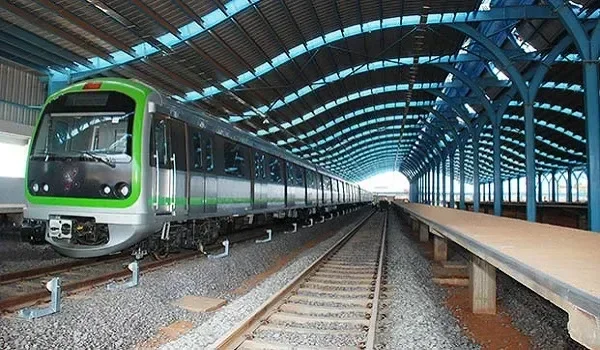
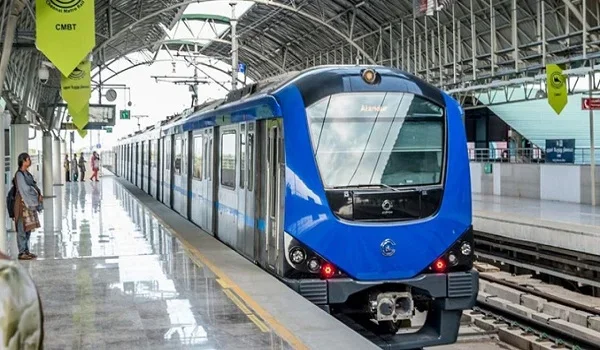
A metro is an electric rapid rail system that carries over 45,000 riders per hour in each direction on fully separate tracks with zero road traffic. More than 200 cities across the globe run 20,000 kilometers of metro lines, helping daily riders cut trip times by 40% to 60%. These trains run on tracks built high on pillars or deep inside rock tunnels, keeping travel speeds steady between 32 and 45 km/h. Modern train motors slow down by using electric brakes that send up to 35% of power back into the local grid.

Metro lines carry thousands of workers each day without adding more cars to busy roads. This can help reduce traffic, smoke, and air pollution. These rail lines connect outer residential areas with major office hubs. Faster and cleaner travel can also boost local business and increase demand for land and homes near metro stations.
How Metro Trains Run and Keep Fast Timetables


Metro rail systems run entirely on private tracks using a third rail or top wire to stop cars from causing traffic delays. Smart train computers track each car in real time, letting trains pull into platforms every 90 to 120 seconds during peak morning hours.

  • Smart Train Signals: Track radio tools send speed data to the train cabin every second, keeping safe gaps between fast trains without old track timers.
  • Rapid Train Speeds: Strong steel cars run easily at 80 to 90 km/h, speeding up quickly after each stop to keep trips short.
  • Fast Ticket Gates: Riders scan a phone code or tap a smart card at gates that clear 45 people per minute.
  • Recycled Power: Electric motor brakes take the force from slowing trains and turn it into power, cutting station electric bills by 35%.

Big Passenger Loads, High Speeds, and Clean Skies


One single six-car metro train carries 1,500 riders while cutting carbon emissions by up to 30% compared to street cars. A full 40-kilometer metro track saves tens of thousands of tons of bad fuel smoke each year and cuts deadly crashes on parallel roads.

Travel Type Street Traffic (Cars and Buses) City Metro Trains
People Carried Per Hour 4,000 to 10,000 riders 40,000 to 75,000+ riders
Average Trip Speed 12 to 18 km/h in traffic 32 to 45 km/h on clear tracks
Smoke Per Rider 80 to 140 grams of carbon 15 to 25 grams of carbon
Wait Times for Rides 5 to 20 minutes in road jams 2 to 4 minutes on track clocks

These trains make travel times predictable for daily workers. Riders skip rain, street repairs, and traffic light delays, arriving at work on time every day. This daily time saving gives workers more hours at home with family and cuts down on workday stress. Clean air along train lines also helps people stay healthy by keeping dust and smoke out of city neighborhoods.

Metro Stations and Rising Real Estate Prices


Homes built within 800 meters of a metro stop gain a 15% to 28% price jump over homes built far from tracks. Planners set up special zoning rules around station gates so builders can raise taller offices and apartments on nearby plots.

Office workers who live close to a metro gate save 20% to 30% on car fuel and repair costs every month. These big fuel savings push home buyers and renters to pay more for flats near train stops. Stores, gyms, and coffee shops open around station doors because thousands of commuters walk past their signs each day. This steady mix of shops and homes keeps property values growing faster than the city average.

Metro Transit Growth: Prestige Avon on Thanisandra Main Road


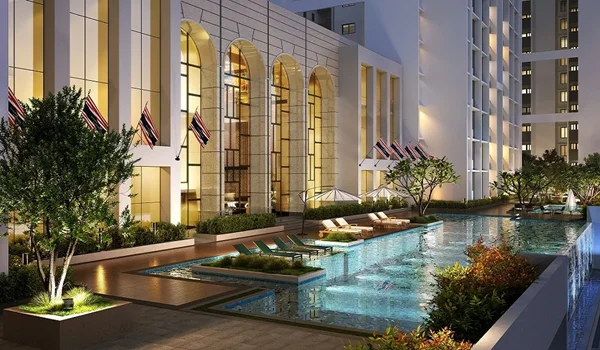
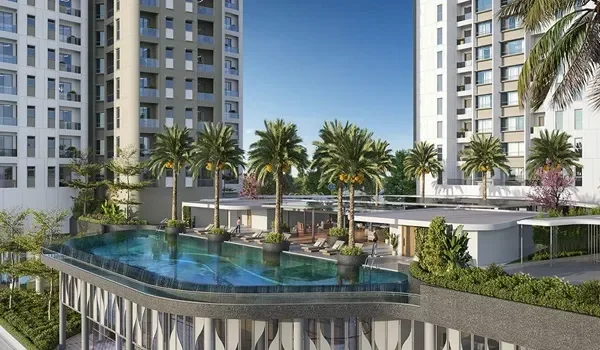
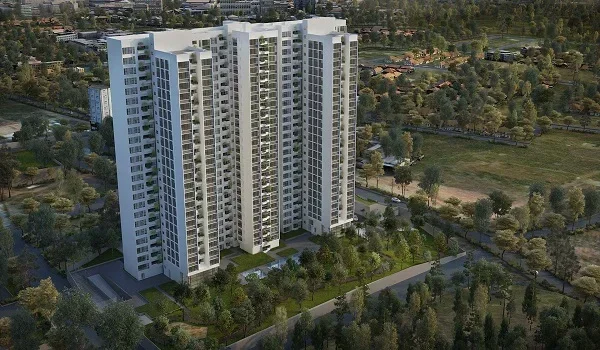
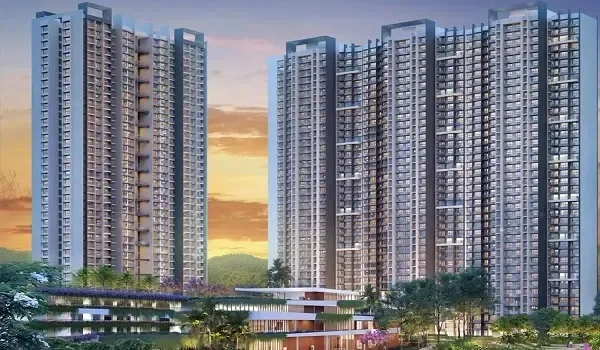
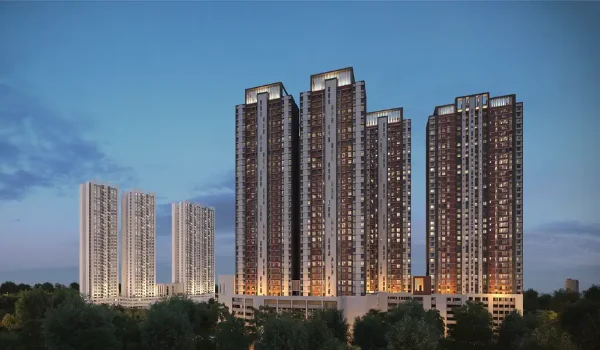
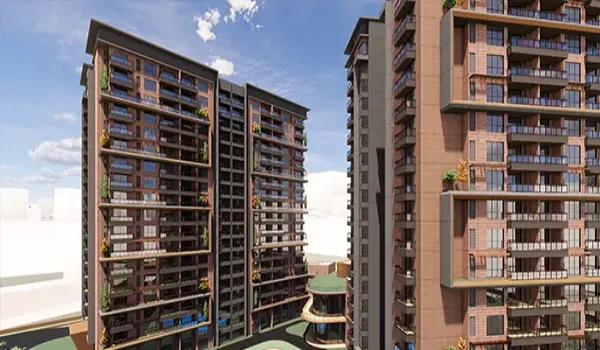
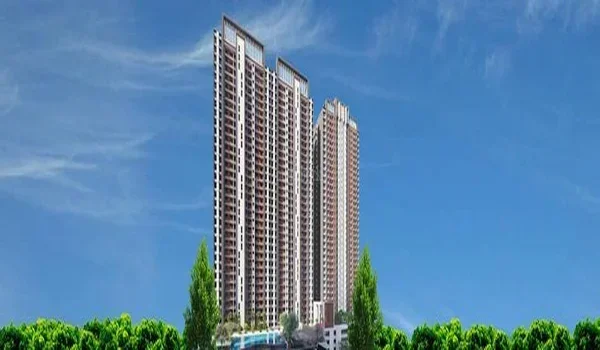
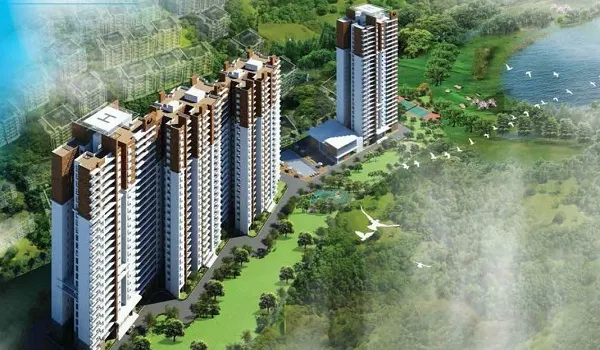
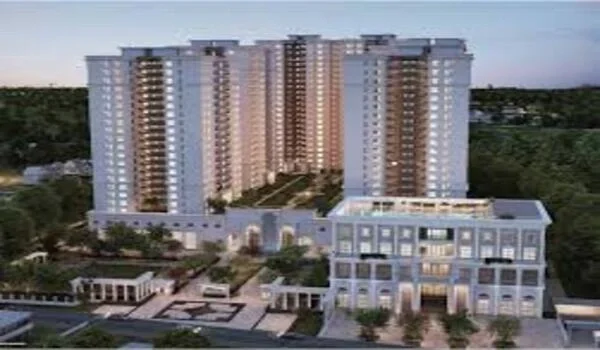
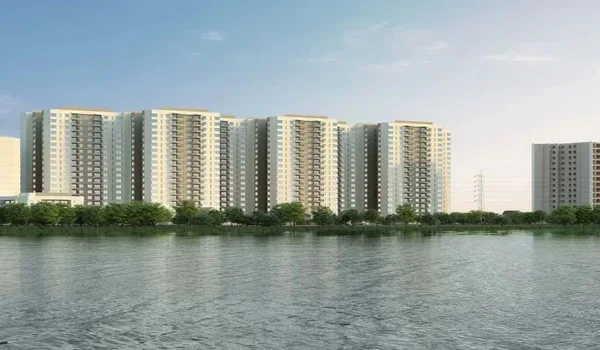
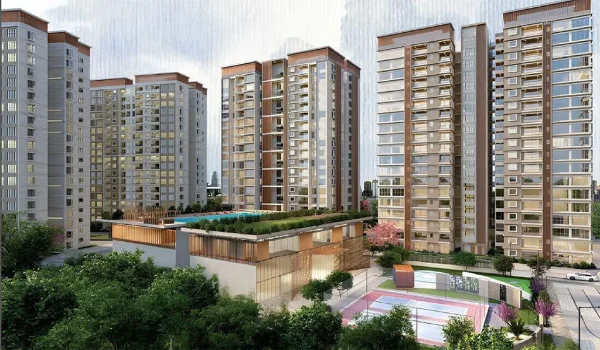
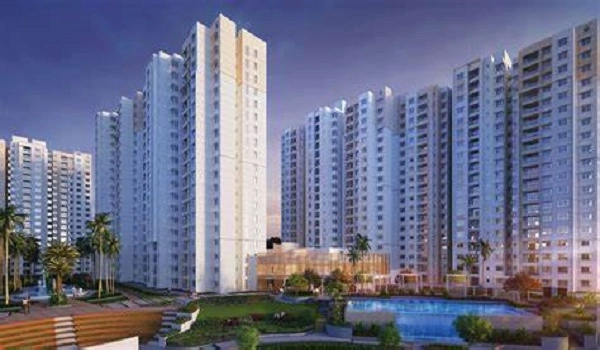
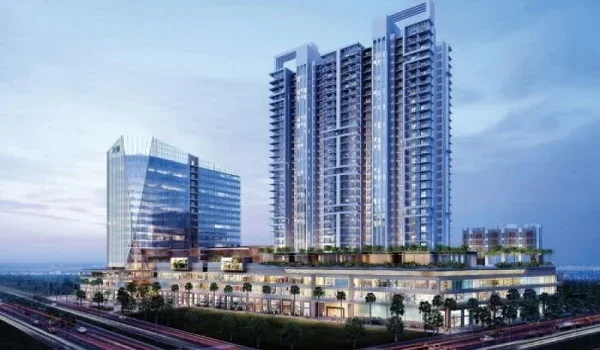
Prestige Avon on Thanisandra Main Road is about 4.6 km from Yelahanka Metro Station on the new Blue Line. This may give residents easier access to fast public transport. The 3-acre gated community by Prestige Estates Projects Ltd has three G+16 towers with 250+ luxury apartments.

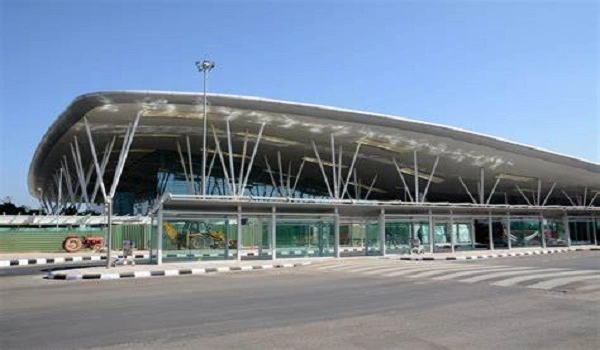
  • Fast Transit Links: The upcoming Blue Line connects residents straight to Manyata Tech Park, located 7 kilometers and a 19-minute drive away, and Kempegowda International Airport, located 20.8 kilometers away.
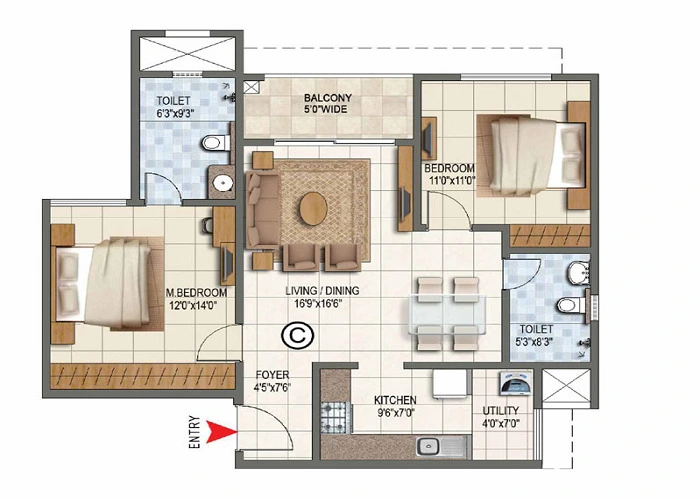
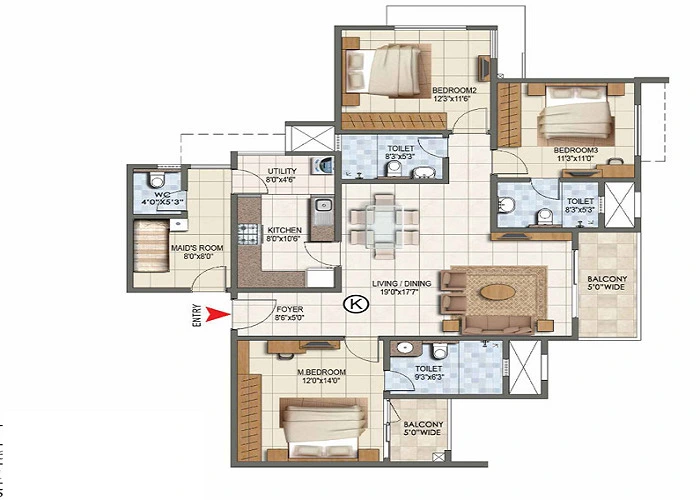
  • Home Sizes and Costs: The site offers 2 and 3 BHK layouts from 1,300 sq. ft. in 2 BHK Optima units up to 2,000 sq. ft. in 3 BHK Ultima homes, with launch prices from ₹1.73 Crore onwards.
  • High Value Growth: Land and flats within 5 kilometers of the new Blue Line track gain 8% to 12% in value every year as track work heads toward target dates.
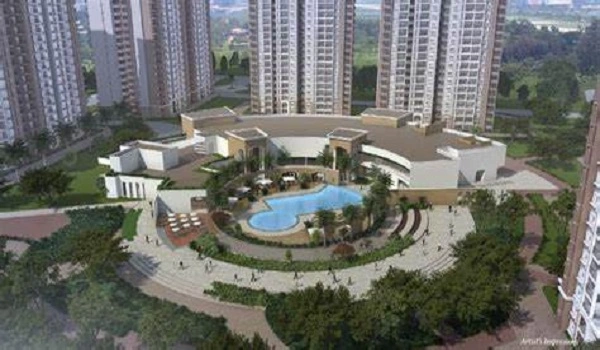
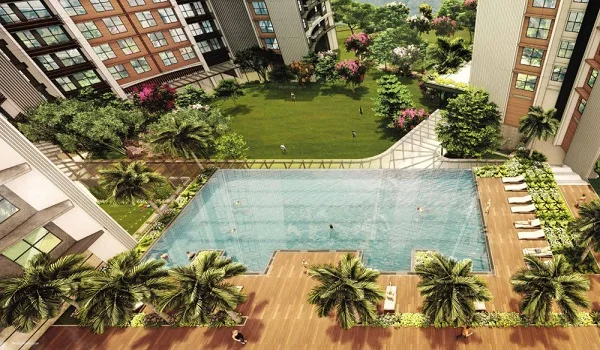
  • Project Dates and Perks: Launched on August 26, 2026, with possession set for December 2030, this site pairs direct metro access with a clubhouse and 35% landscaped green open space.

Flats near tech parks and metro lines bring in steady rent from working professionals. Many tech workers pick homes like Prestige Avon on Thanisandra Main Road because quick trips to Manyata Tech Park and the Blue Line save hours of drive time each week. With only 250 homes across 3 towers, the project gives families open views, quiet spaces, and strong long-term value.

Digging Tunnels and Fixing Last-Mile Travel


Engineers use giant drills to dig tunnels 15 to 30 meters deep so tracks stay safe beneath older city homes. Above ground, tall cranes lift heavy concrete bridge blocks onto pillars late at night so day traffic keeps moving without extra delays.

  • Radar Ground Scans: Underground radar scans the dirt for water pipes, gas lines, and power wires before workers dig deep pillars.
  • Soft Track Pads: Thick rubber pads sit under steel rails to stop shaking and keep train sounds below 65 decibels near schools and homes.
  • Small Shuttle Rides: Stations set up bays for small electric buses, battery rickshaws, and rental bikes to help people travel the last 1 to 3 kilometers home.
  • Single Pay Cards: Smart cards and phone apps let riders pay for train seats and small feeder bus rides with one single cash tap.

FAQs


1. How is a metro train different from a normal street tram?

A metro train runs on its own walled tracks to carry over 30,000 riders every hour without road stops. Street trams share road lanes with cars, stop at red lights, and travel at much slower speeds.

2. Why do homes near metro stations cost more money to buy?

Homes close to a station let people skip heavy road traffic and reach work on time every day. Buyers pay extra for these homes because saving daily travel hours and car fuel creates strong demand.

3. Which metro stop is closest to Prestige Avon on Thanisandra Main Road?

Prestige Avon sits 4.6 kilometers from the Yelahanka Metro Station on the Namma Metro Blue Line. This route provides a straight transit line to both Manyata Tech Park and the international airport.

4. How do train brakes help make extra electric power?

When a metro train slows down, its motors run in reverse to work like small power generators. This action slows the wheels and sends up to 35% of that power back to the wire for other trains to use.

5. How do riders travel home from the metro station doors?

Train stops link directly to small electric buses, battery rickshaws, walkway bridges, and rental bike stands. Most cities use one single smart card or phone app to pay for both the train ride and the local feeder bus.

Prestige Avon Blog


Enquiry
Enquire Now