Advantages and disadvantages of under-construction vs ready-to-move homes
Featured Image of Advantages and disadvantages of under-construction vs ready-to-move homes


Advantages and disadvantages of under-construction vs ready-to-move homes come down to price, timing and risk. An under-construction home usually costs less and lets you pay in stages, but you wait years for possession. A ready-to-move home lets you move in or earn rent at once, but you pay more upfront. The right choice depends on your budget, your housing needs and how long you can wait.
Under-Construction vs Ready-to-Move at a Glance


Factor Under-Construction Home Ready-to-Move Home
Price Usually lower, especially at launch Usually higher, as the builder has finished work
Payment In stages, linked to construction Mostly upfront at the time of purchase
GST 5% on homes outside the affordable category No GST once the builder has the occupancy certificate
Possession After completion, often 3 to 4 years Immediate
Choice of units Wide choice of floors, views and sizes Limited to unsold units
Rental income None until possession Starts right away
Risk Delay risk, though RERA offers protection What you see is what you get
Tax on interest Pre-construction interest claimed later in five parts Interest claim starts from the first year

Advantages of Under-Construction Homes


Lower entry price

Builders price homes lowest at launch to draw early buyers. As construction moves ahead, prices usually rise in steps. Early buyers often gain from this rise by the time the project completes.

Easy payment in stages

A construction-linked plan lets you pay as the builder finishes each stage. You do not need the full amount on day one. This gives you time to save and plan your home loan.

Better choice of units

At launch, you can pick from almost every floor, view and layout. You can choose a corner unit, a garden-facing home or a high floor. In ready projects, the best units are often gone.

Modern design and features

New projects follow the latest building rules and design trends. You get newer lifts, fire safety systems, power backup and energy-saving features. Older ready homes may lack some of these.

Strong protection under RERA

RERA requires builders to register projects and share a clear completion date. Builders must also keep 70% of buyer payments in a separate escrow account for that project. These rules lower the risk of funds going to other projects.

Disadvantages of Under-Construction Homes


Waiting time

You wait several years before you can move in or rent out the home. If you pay rent during this time, your monthly costs go up. This double burden can strain your budget.

Risk of delay

Some projects take longer than planned due to approvals, labour or funding issues. RERA lets you claim interest for delays, but the wait can still disrupt your plans. Choosing a builder with a strong delivery record lowers this risk.

GST adds to the cost

You pay 5% GST on the price of an under-construction home outside the affordable category. On a ₹1.73 crore home, this adds about ₹8.65 lakh. Ready homes with an occupancy certificate carry no GST.

What you see is a plan

You buy based on floor plans, brochures and sample flats. The final home may differ slightly in finish or view. Always check the approved plan and specifications in your agreement.

Advantages of Ready-to-Move Homes


  • Immediate possession: You can move in or rent out the home as soon as you register it.
  • No GST: Homes with an occupancy certificate carry no GST on the price.
  • What you see is what you get: You can check the actual flat, view, light and finish before you pay.
  • No delay risk: The builder has already completed the project.
  • Faster tax benefits: You can claim home loan interest from the first year itself.

Disadvantages of Ready-to-Move Homes


  • Higher price: Builders charge more once a project is complete and ready.
  • Large upfront payment: You need the full down payment and registration cost at once.
  • Limited choice: Only leftover units remain, which may not match your preferred floor or facing.
  • Older design: Projects finished a few years ago may lack newer features.
  • Lower appreciation in the short term: Most of the early price rise has already happened.

A Cost Example: Under-Construction Home in North Bengaluru


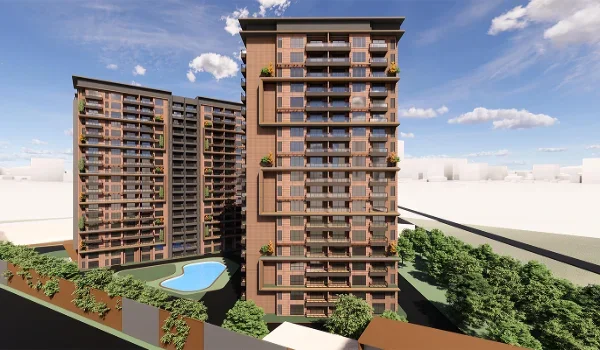
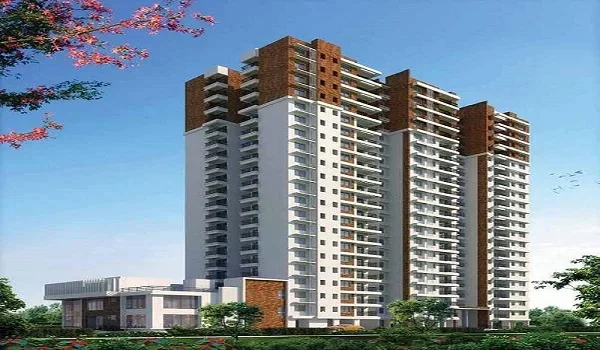
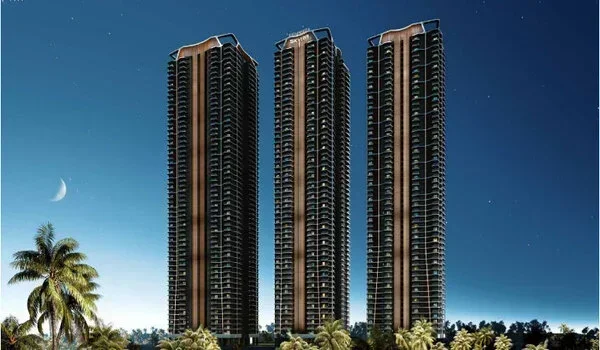
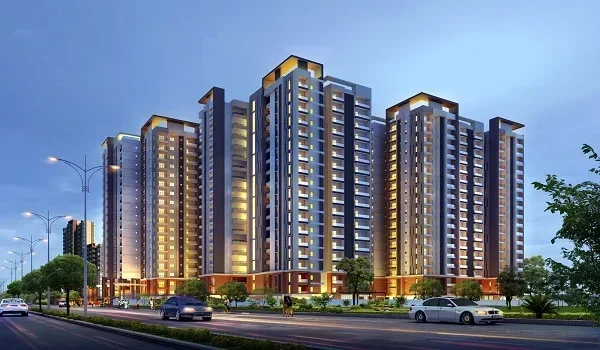
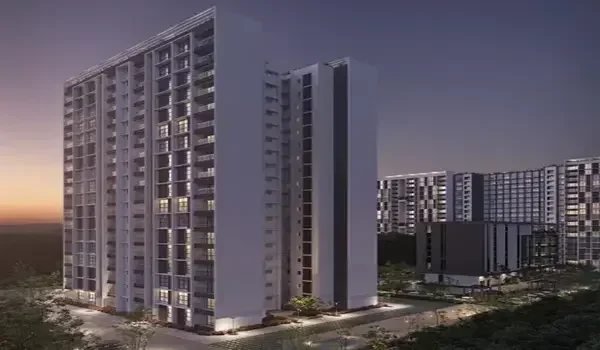
Prestige Avon on Thanisandra Main Road is a new launch, with RERA approval on 13 November 2026. The project plans 260 homes in three towers, with construction from January 2027 to December 2030. Prestige plans possession for 6 January 2031.

A 2 BHK here starts at ₹1.73 crore, and you pay 10% at booking. The rest follows the construction stages, so you pay over about four years. This gives you time to plan your savings and home loan.

The area also has strong growth signals for buyers who can wait. The upcoming Yelahanka Metro Station sits 4.6 km away, and Bhartiya City Tech Park is 2.2 km away. Kempegowda International Airport is 19.5 km from the project. Buying at launch lets you enter before the towers rise and new infrastructure opens. You can compare costs on the Prestige Avon price page and track progress on the construction status page.

Which One Should You Choose?


Your choice depends on your needs and finances, so use these simple guidelines to decide.

Choose an under-construction home if:

  • You can wait three to four years for possession
  • You want a lower entry price and a wider choice of units
  • You prefer to pay in stages rather than all at once
  • You plan to hold the property for long-term growth

Choose a ready-to-move home if:

  • You need a home to live in right away
  • You want to save on rent from day one
  • You want rental income without any wait
  • You prefer to avoid the risk of construction delays

FAQs


1. Is it better to buy an under-construction or ready-to-move flat?

It depends on your needs. An under-construction flat suits buyers who can wait and want a lower price. A ready-to-move flat suits buyers who need a home now or want rent at once.

2. Do I pay GST on a ready-to-move flat?

No, GST does not apply to a ready-to-move flat once the builder has the occupancy certificate. You still pay stamp duty and the registration fee. In Bengaluru, these come to about 7.6% for homes above ₹45 lakh.

3. Are under-construction homes cheaper than ready homes?

Yes, under-construction homes usually cost less, especially at launch. Builders raise prices as construction moves ahead. After adding GST, the gap may narrow, so compare the total cost.

4. How does RERA protect buyers of under-construction homes?

RERA requires builders to register projects and declare a completion date. Builders must keep 70% of buyer funds in a project escrow account. Buyers can also claim interest or a refund if the builder delays possession.

5. Can I get tax benefits on an under-construction home?

Yes, but only after possession under the old tax regime. You can claim interest paid during construction in five equal parts. The claim falls within the ₹2 lakh yearly limit for a self-occupied home.

6. Is Prestige Avon a ready-to-move or under-construction project?

Prestige Avon is a new launch project on Thanisandra Main Road, with construction starting on 1 January 2027. The RERA completion date is 31 December 2030. Prestige plans possession for 6 January 2031.

Prestige Avon Blog


Enquiry
Enquire Now