Present housing loan rate of interest

Featured Image of Present housing loan rate of interest


Present housing loan rate of interest in India starts at about 7.50% a year in November 2026. SBI offers regular home loans from 7.50% to 8.80%, based on your credit score and profile. Rates rose slightly after the RBI raised its repo rate by 0.25% to 5.50% in October 2026. Your final rate depends on your lender, your CIBIL score and your loan amount.

Why Home Loan Rates Moved Up in October 2026


The Reserve Bank of India’s Monetary Policy Committee met from 5 to 7 October 2026. It raised the repo rate by 25 basis points, from 5.25% to 5.50%. The committee also changed its stance to calibrated tightening.

Most floating-rate home loans now link to an external benchmark, which tracks the repo rate. So when the repo rate rises, banks raise their benchmark rates within days. Many public sector banks moved their rates up between 7 and 8 October 2026. SBI raised its benchmark lending rate from 15 October 2026.

SBI Home Loan Interest Rates in November 2026


SBI links its regular home loan rate to your CIBIL score. A higher score gets you a lower rate.

CIBIL Score Salaried Borrower Self-Employed Borrower
825 and above 7.50% 7.50%
780 to 824 7.75% 7.85%
750 to 779 7.85% 7.95%

SBI’s External Benchmark Lending Rate now stands at 8.15%, up from 7.90%. The bank also offers Home Loan Maxgain, an overdraft-linked loan, from 8% to 9.30%.

Benchmark Lending Rates of Other Banks


Banks price your home loan as their benchmark rate plus or minus a spread. The benchmark tells you how a bank’s rates move after an RBI decision. Here are the revised repo-linked rates after the October 2026 hike:

  • Bank of Baroda: 8.15%, up from 7.90%, from 8 October 2026
  • Punjab National Bank: 8.35%, up from 8.10%, from 8 October 2026
  • Bank of India: 8.35%, up from 8.10%, from 7 October 2026
  • Indian Bank: 8.20%, up from 7.95%, from October 2026
  • Indian Overseas Bank: 8.35%, up from 8.10%, from 8 October 2026

HDFC Bank raised its MCLR by up to 15 basis points from 7 November 2026. Its one-year MCLR now stands at 8.45%. This affects older loans linked to MCLR at their next reset date.

How Much EMI Will You Pay per ₹1 Lakh?


Your EMI depends on the rate and the tenure you choose. This table shows the monthly EMI for every ₹1 lakh of loan:

Interest Rate 20 Years 25 Years 30 Years
7.50% ₹806 ₹739 ₹699
8.00% ₹836 ₹772 ₹734
8.50% ₹868 ₹805 ₹769
9.00% ₹900 ₹839 ₹805

To use it, multiply the figure by your loan in lakhs. For example, a ₹50 lakh loan at 8% for 20 years needs an EMI of about ₹41,800.

A small change in rate makes a big difference over time. On a ₹1 crore loan over 20 years, moving from 7.50% to 8% adds about ₹3,000 monthly.

Home Loan Rates and Your Prestige Avon Budget


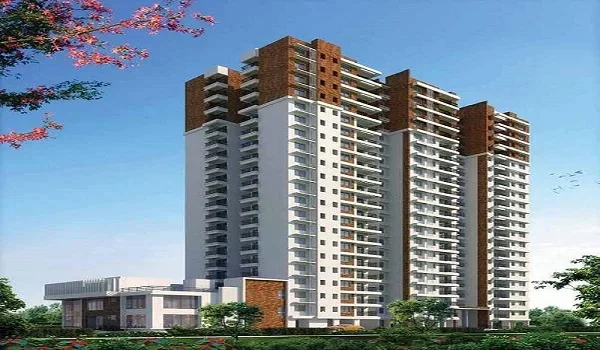
Prestige Avon on Thanisandra Main Road offers 2 BHK homes from ₹1.73 crore. RBI rules cap the loan at 75% of the property value for homes above ₹75 lakh. So you can borrow up to about ₹1.30 crore for a 2 BHK at the starting price.

Here is what your EMI could look like on a ₹1,29,75,000 loan:

  • At 7.50% for 20 years: about ₹1,04,526 a month
  • At 8.00% for 20 years: about ₹1,08,528 a month
  • At 7.50% for 25 years: about ₹95,884 a month

Prestige Avon follows a construction-linked payment plan, with work planned from January 2027 to December 2030. Your bank releases the loan in stages, so you pay only interest on the amount released during construction. The project site lists SBI, HDFC Bank, ICICI Bank, Axis Bank and Kotak Mahindra Bank as lenders. Read more on the Prestige Avon home loan page, or try the EMI calculator.

What Decides Your Home Loan Rate?


Two buyers can get very different rates from the same bank. Here are the factors that matter most:

  • CIBIL score: A score above 800 usually gets you the best rate a bank offers.
  • Employment type: Salaried borrowers often get slightly lower rates than self-employed borrowers.
  • Loan amount: Some banks offer better rates on larger loans to borrowers with strong profiles.
  • Loan-to-value ratio: A bigger down payment lowers the bank’s risk and can improve your rate.
  • Existing relationship: Banks may offer better terms if you hold your salary account with them.
  • Women borrowers: Some lenders give a small rate cut when a woman is the main or joint borrower.

Tips to Get a Lower Home Loan Rate


A little preparation can save you lakhs over the life of your loan.

  • Check your CIBIL score a few months before you apply, and clear any overdue bills.
  • Compare offers from at least three to four lenders, including public sector banks.
  • Ask about processing fees, which usually range from 0.25% to 1% of the loan plus GST.
  • Add a co-borrower with a good credit score to improve your eligibility.
  • Review your rate every year, and ask your bank to shift you to a lower one if offered.

FAQs


1. What is the lowest home loan interest rate now?

SBI’s regular home loan starts at 7.50% a year for a CIBIL score of 825 or more. Some housing finance companies advertise slightly lower starting rates for select profiles. Always compare the final offer, including fees, before you decide.

2. Did home loan rates go up in 2026?

Yes, rates rose after the RBI raised the repo rate to 5.50% in October 2026. Banks like SBI, Bank of Baroda and PNB raised their benchmark rates by 0.25%. Your EMI may rise at your next reset if you hold a floating-rate loan.

3. Should I choose a fixed or floating home loan rate?

Most Indian home buyers choose floating rates, which move with the repo rate. Fixed rates usually start higher and often reset after a few years. A floating rate suits long tenures, as rates tend to move in cycles.

4. How much home loan can I get on a ₹1.73 crore flat?

RBI rules allow up to 75% of the property value for homes above ₹75 lakh. On a ₹1.73 crore flat, this works out to about ₹1.30 crore. Your actual loan also depends on your income and credit score.

5. Does the home loan rate change during construction?

Yes, floating rates can change at any time during construction. Your pre-EMI moves with the rate on the amount disbursed. Once construction ends, the same floating rate applies to your full EMI.

6. Which banks offer loans for Prestige Avon?

The project site lists SBI, HDFC Bank, ICICI Bank, Axis Bank and Kotak Mahindra Bank among its lenders. A project with lender approvals in place usually moves faster through loan checks. Compare rates across these lenders before you choose one.

Prestige Avon Blog


Enquiry
Enquire Now