Apartment Cost Breakdown Guide
Featured Image of Apartment Cost Breakdown Guide


An apartment cost breakdown guide shows that the base flat price is only 75% to 80% of your total budget, while extra taxes, fees, and interiors take up the remaining 20% to 25%. If a builder quotes a base price of ₹1 Crore ($120,000) for a home, you will usually spend between ₹1.22 Crore and ₹1.28 Crore before you get your keys.

Many people look only at the rate per square foot and forget the extra bills that come later. These extra costs include government taxes, club access, power connection, water lines, and parking slots. When you know every fee ahead of time, you avoid sudden money trouble right before registration.

1. Base Price vs. All-Inclusive Flat Cost


The base price is just the rate per square foot multiplied by the total area. It does not include parking, extra floor fees, or good views. A builder may quote ₹9,500 per square foot, but you pay for stairs, lobbies, and lifts too. Because of this shared space, your real room area ends up costing over ₹13,000 per square foot.

Builders also add extra charges based on where your flat sits inside the tower:

  • Floor Rise Fee: An extra charge of ₹25 to ₹60 per sq ft for each floor as you go higher up.
  • Preferred Location Fee: An extra ₹150 to ₹400 per sq ft if your balcony looks over a garden, pool, or open road.
  • Car Parking Slot: A fixed fee of ₹3.5 Lakh to ₹6 Lakh for each basement parking bay.

2. Government Taxes: Stamp Duty, Registration, and GST


Government taxes are required charges set by state and central laws. They may add around 7% to 12% to the total property cost.

For an under-construction home, 5% GST may apply. A ready-to-move flat with an Occupancy Certificate (OC) generally has no GST on the sale.

State offices collect these fixed charges before they put the home in your name:

  • Stamp Duty: A state property tax of 3% to 7% based on the total sale value.
  • Registration Fee: A standard fee of 1% to record the sale deed in government land records.
  • TDS Tax (Section 194-IA): A legal rule where the buyer cuts 1% tax on deals over ₹50 Lakh and pays it directly to the tax department.

3. Extra Builder Fees: Utilities, Power, and Clubhouse


Utility and amenity fees cover shared areas and basic utility work. They may add around ₹350 to ₹750 per sq. ft. to the final cost. The builder may use this money for transformers, water pipes, and common areas before handing the project over to the residents’ association.
These typical builder fees include:

  • Power and Water Connection: Setup fees of ₹1.5 Lakh to ₹3 Lakh for water meters, lines, and power links.

  • Clubhouse Membership: A one-time entry charge of ₹2 Lakh to ₹4 Lakh to use the gym, pool, and indoor games.
  • Backup Power Setup: Generator charges of ₹35,000 to ₹50,000 per kilowatt to keep your lights and fans running during power cuts.
  • Legal and Agreement Fees: A charge of ₹25,000 to ₹50,000 to draft and check the legal sale papers.

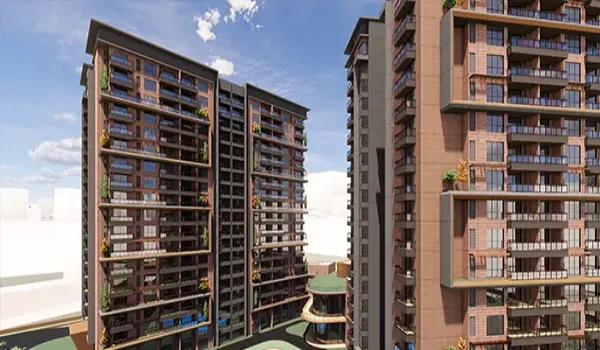
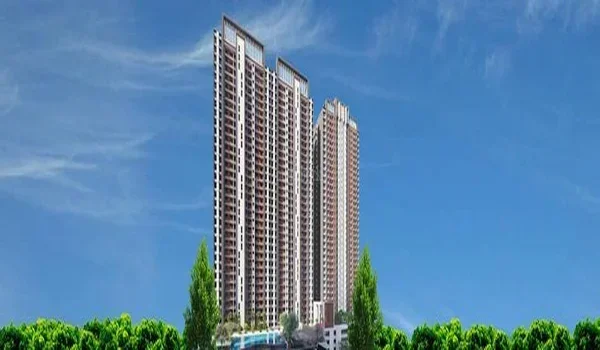
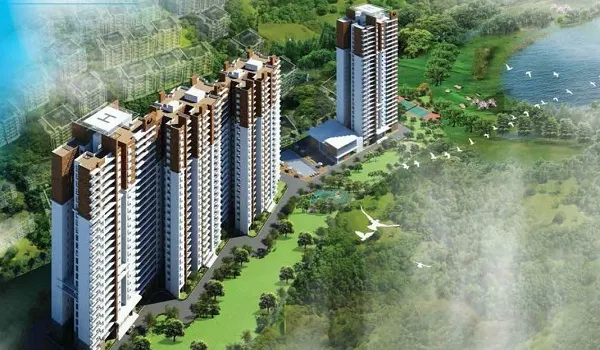
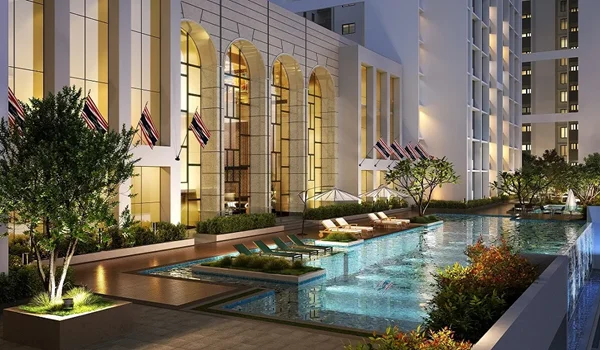
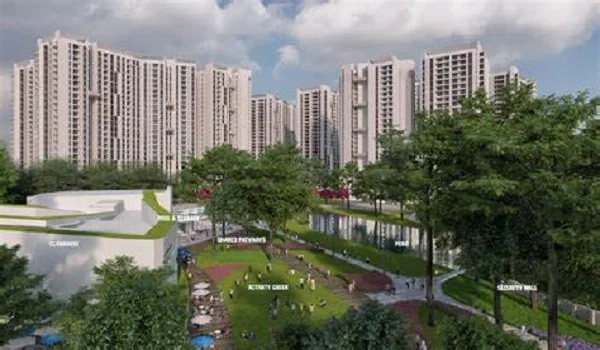
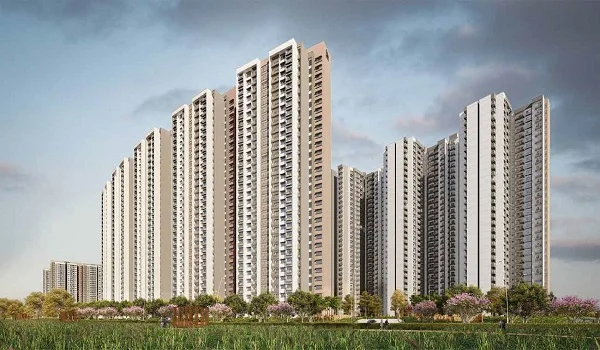
4. Real Example: Cost Breakdown for Prestige Avon


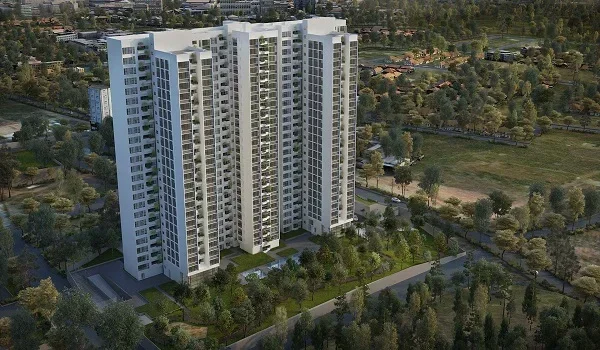
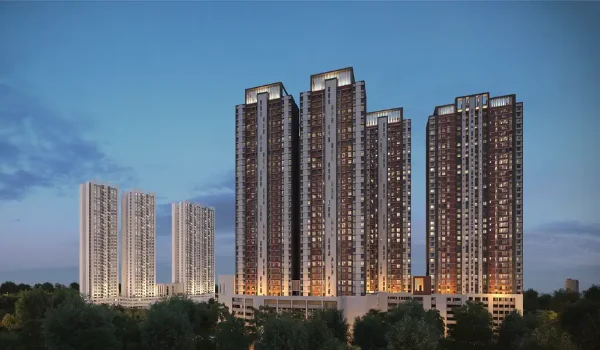
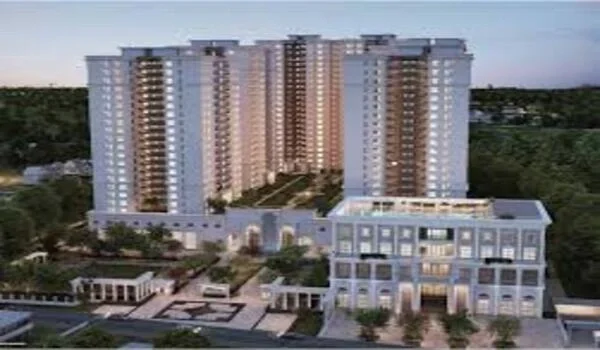
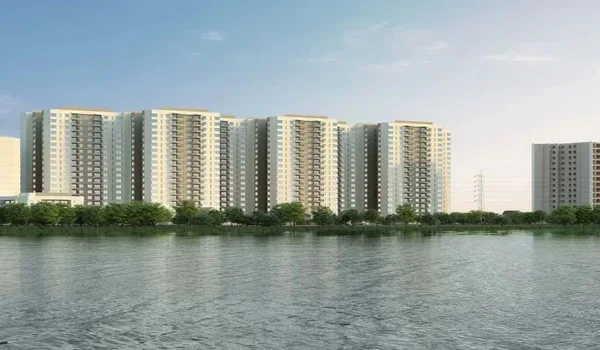
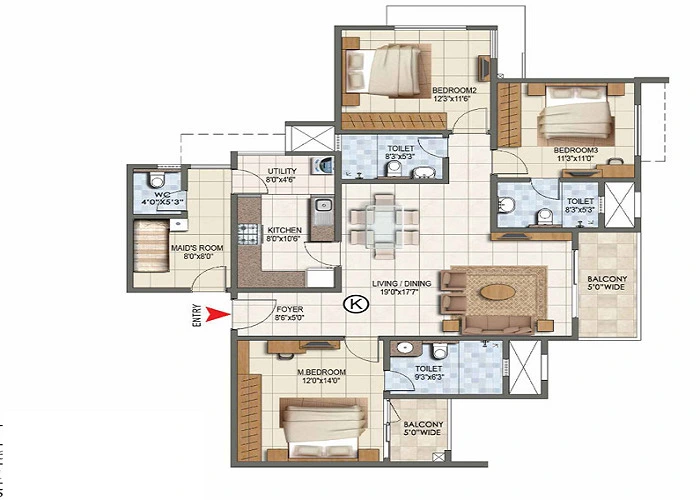
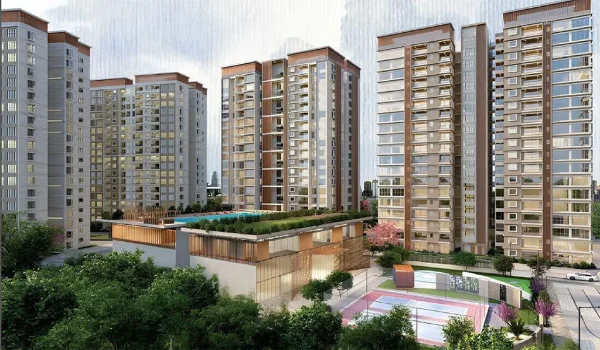
Prestige Avon has base rates of around ₹12,100 to ₹13,900 per sq. ft. across its 3-acre gated property on Thanisandra Main Road in North Bengaluru.

The project has 250+ flats across three 16-floor towers. Possession is planned for December 2030.

Flat Type Flat Size (Super Built-Up) Starting Base Price Estimated Taxes & Fees (~21%) Estimated Final Outflow
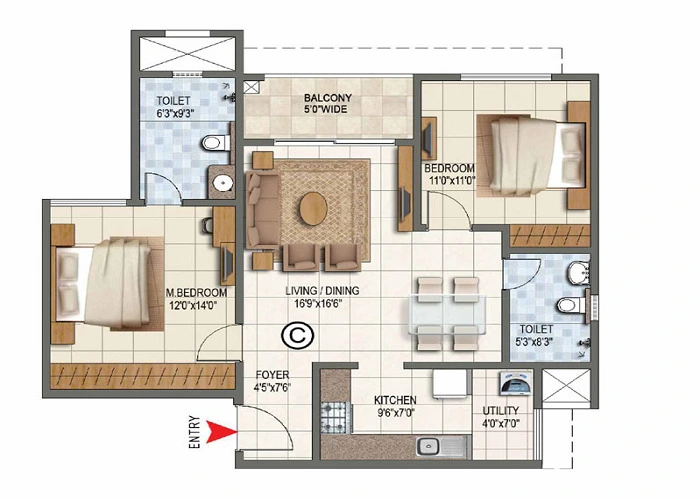
2 BHK Optima 1,300 sq ft ₹1.73 Crore ₹36.33 Lakh ₹2.09 Crore
3 BHK Premia 1,700 – 1,900 sq ft ₹2.30 Crore ₹48.30 Lakh ₹2.78 Crore
3 BHK Ultima 2,000 sq ft ₹2.78 Crore ₹58.38 Lakh ₹3.36 Crore

For a 2 BHK Optima at ₹1.73 Crore, you need around ₹11.4 Lakh for state stamp duty and registration, about ₹8.65 Lakh for 5% GST, and roughly ₹16.2 Lakh for car parking, clubhouse entry, power hookups, and advance maintenance.

5. Move-In Expenses: Maintenance, Sinking Funds, and Woodwork


Maintenance deposits and sinking funds are advance funds kept for future repairs. They may range from ₹150 to ₹350 per sq. ft. for the first one or two years. This money can help the society pay for lift repairs, wall painting, and water pumps without asking residents for extra money during an emergency.

Before you move your family in, you will also need cash on hand for these final steps:

  • Sinking Fund: A one-time safety deposit of ₹1.5 Lakh to ₹3 Lakh kept in a fixed deposit under the society name.
  • Advance Maintenance: Monthly upkeep fees of ₹3.50 to ₹6.00 per sq ft collected for 12 to 24 months in advance.
  • Interior Work: Kitchen cabinets, bedroom wardrobes, fans, and light fixtures that cost another 10% to 15% of your flat price (about ₹14 Lakh to ₹28 Lakh).

FAQs


1. How much extra money should I save for property registration?

Save an extra 7% to 8% above the flat cost to clear stamp duty, registration fees, and basic lawyer paperwork.

2. Can I avoid paying GST on a new flat?

Yes, you do not pay GST if you buy a ready flat that already has an approved Occupancy Certificate (OC).

3. Can I bargain on clubhouse and parking charges?

Parking spots and floor rise charges can sometimes be discounted during launch offers, but clubhouse and legal charges are usually fixed.

4. What is the standard loading in new high-rise buildings?

Most modern towers carry a 25% to 32% loading, which means a 1,500 sq ft flat gives you around 1,050 to 1,125 sq ft of real room space.

5. Why do builders collect a sinking fund?

Builders collect a sinking fund as a shared emergency reserve so the society can handle large, long-term repairs like lift maintenance and outer wall painting.

Prestige Avon Blog


Enquiry
Enquire Now