Car parking charges in apartments
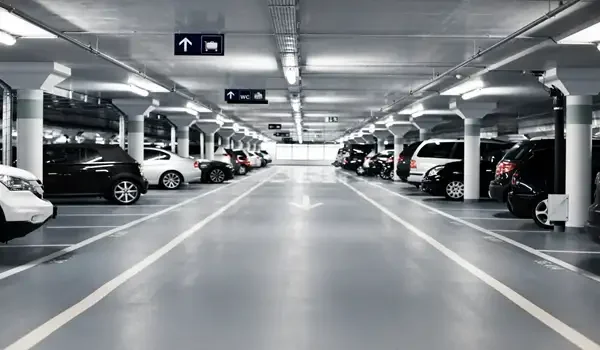
Featured Image of Car parking charges in apartments


Car parking charges in apartments are fees buyers pay for a vehicle spot, costing zero extra rupees for open ground slots under RERA rules and between 3 lakh and 7 lakh rupees for covered basement spots in big cities. Every car slot must measure at least 18 square meters by law, and builders must keep 10% to 15% of all parking spaces free for visitors.

Many buyers do not know what builders can legally charge for parking. Open areas belong to all flat owners together, while covered basement garages can be allotted by contract. Knowing these simple rules helps you avoid paying extra cash for spaces you already own.


Legal Rules on Car Parking Charges in Apartments


Builders cannot sell open ground or stilt parking spaces as separate units to home buyers. The Supreme Court of India decided this in 2010 in the famous Nahalchand case, stating that open spaces belong to all owners as shared property. Once the society is formed, all these shared areas belong to the apartment owners' group.

  • Open surface spots: These count as common areas under Section 2(n) of RERA, so builders cannot sell them.
  • Covered garages: These have a roof and walls, so builders can legally allot them for a set price.
  • Stilt parking: These spots sit under the building pillars and count as common property.
  • Sale papers: The builder must write your exact parking slot number and size in your sale agreement.

A builder who asks for cash payments for stilt or open parking breaks RERA laws and can face strict fines.

Types of Car Parking and Typical Price Rates


Car parking charges in apartments depend on the type of space, whether it is open to the sky or built deep underground. Digging basements and building strong roofs costs much more money, which is why covered basement parking has an allotment fee while open surface ground parking does not.

Parking Type What It Looks Like Average Cost Can Builders Sell It Alone?
Open Ground Flat paved road with no roof Free (included in flat cost) No, strictly illegal
Stilt Parking Ground-floor area under the building pillars Part of common area cost No, belongs to all owners
Covered Basement Under the building with a solid concrete roof ₹3,00,000 to ₹7,00,000 Yes, as an allotted spot
Stack Parking Metal lifts that place one car above another ₹2,50,000 to ₹4,50,000 Yes, but has upkeep costs
Visitor Parking Marked open spots near the entrance gate Free for guests No, strictly for visitors

City building rules say that builders must keep 10% to 15% of all parking spots open for guests. Nobody can sell these visitor spots or use them as their own personal property.

Basement Parking Setup at Prestige Avon


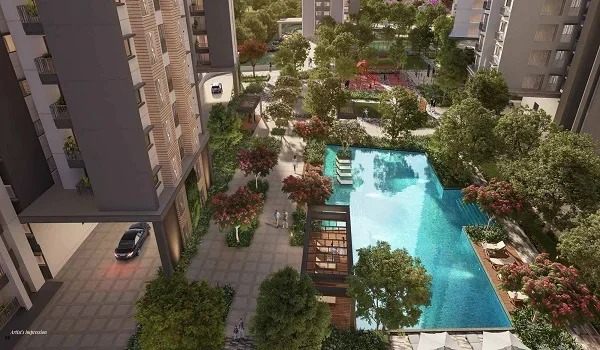
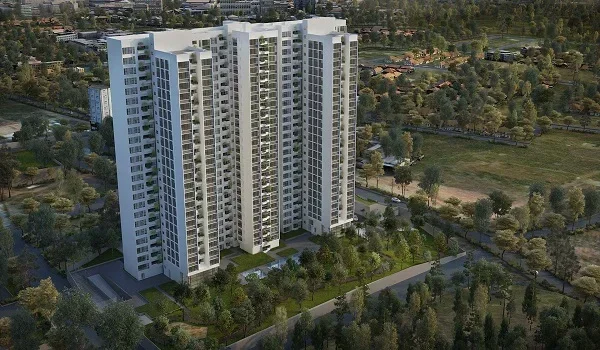
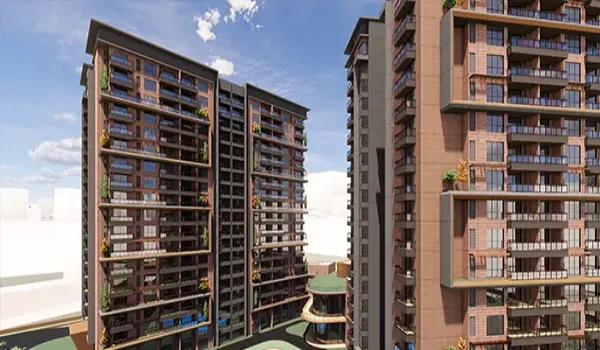
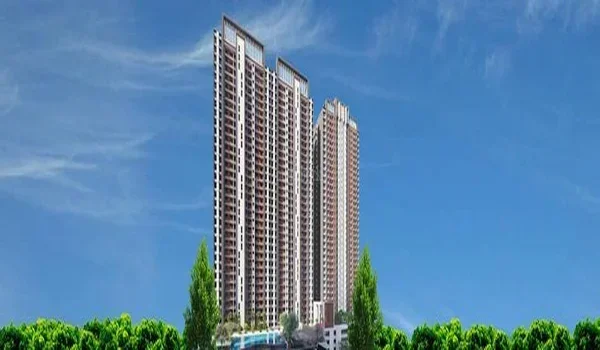
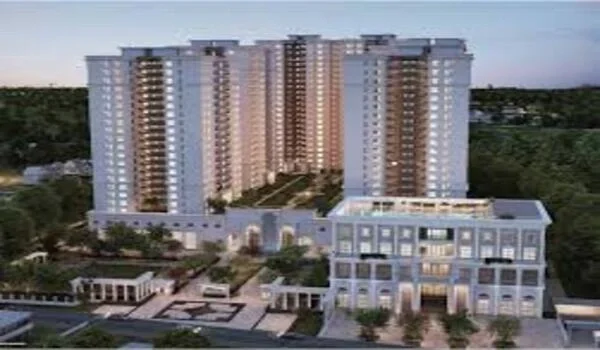
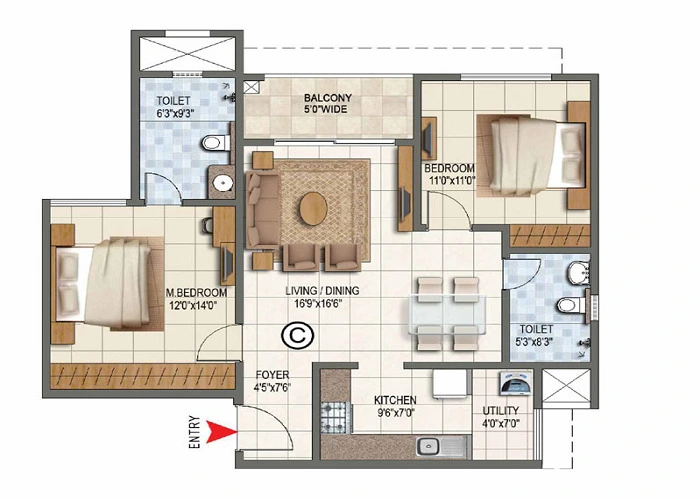
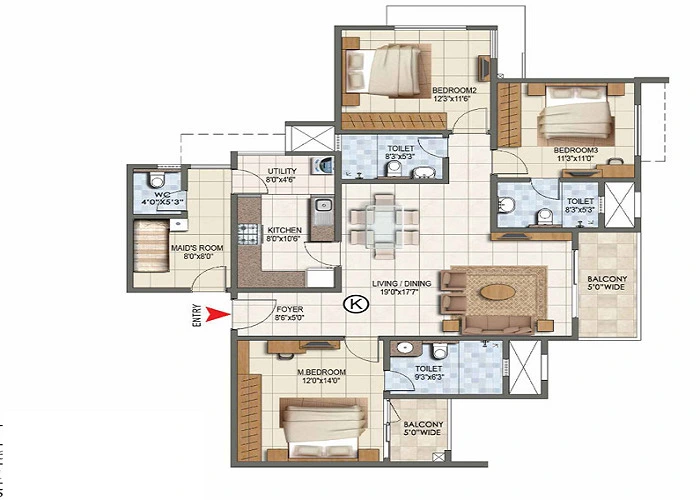
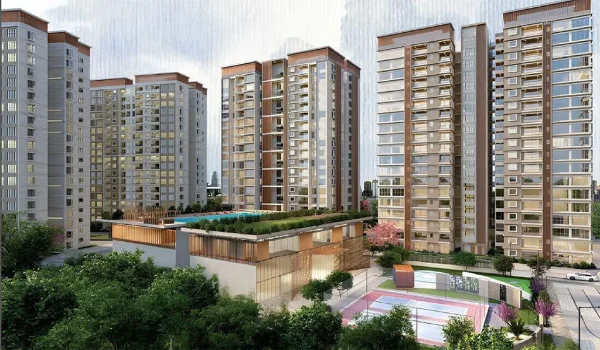
Prestige Avon on Thanisandra Main Road in North Bengaluru shows how new projects manage parking across a compact 3-acre land area. The project has 3 tall towers of G+16 floors with over 250 flats in 2 and 3 BHK sizes, running from 1,300 to 2,000 square feet. Cars drive straight from the gate down into underground basement levels, which leaves 35% of the ground area free for open green parks and walking paths.

  • Underground parking design: Cars go straight down into basements from the gate, keeping ground areas quiet and safe for walking.
  • Utility planning: The basements sit right beside key services like water systems, a sewage treatment plant, and rainwater setups.
  • Daily upkeep fees: Monthly society maintenance runs around ₹5 to ₹7 per square foot, covering bright basement lights, security guards, and 24/7 CCTV cameras.
  • Proper slot sizes: Every car slot follows standard city rules with wide driveways that give cars plenty of room to turn and park.

Putting the exact parking number inside the sale agreement helps every flat owner avoid fights over spaces later on.

Society Rules and Monthly Parking Maintenance Fees


After the builder hands over the project, the Resident Welfare Association (RWA) manages all daily parking rules and maintenance. Monthly society fees pay for basement lights, cleaners, security guards, and exhaust fans that pull fresh air into the lower levels.

  • Extra car spots: If extra spaces remain after each flat gets one, the society rents them out using a simple yearly draw.
  • Renting rules: Most societies do not allow flat owners to rent their car slot to people who live outside the gates.
  • Wrong parking fines: Societies can charge fines, often ₹500 to ₹1,000, if someone blocks driveways or parks in guest spots.
  • Stack lift repair: Buildings with mechanical car lifts collect money into a shared fund to service the hydraulic lifts every month.

Renters get to use the parking spot that comes with the flat without paying any extra registration fee to the society.

FAQs


1. Can a builder charge extra money for an open parking slot?

No, builders cannot charge any extra money for open parking spots under RERA rules. These spots belong to all flat owners as shared common space.

2. Can an owner sell their parking spot to an outsider?

No, you cannot sell a parking spot to someone who does not own a home in your building. The parking slot stays tied to the flat itself.

3. What is the standard size of a car parking space?

A standard four-wheeler car slot measures 18 square meters, which is 3 meters wide and 6 meters long. A two-wheeler spot needs 2.5 square meters.

4. How do societies handle parking for a second car?

Societies take all extra spots and rent them out to owners who ask for them, usually through a fair yearly lottery. These spots do not become permanent property.

5. Do I have to pay parking maintenance if my slot is empty?

Yes, you still have to pay the monthly maintenance fee even if you do not keep a car there. This money pays for shared basement lights, security guards, and daily cleaning.

Prestige Avon Blog


Enquiry
Enquire Now