East facing vs west facing flats
Featured Image of East facing vs west facing flats


East facing vs west facing flats differ mainly in the daily sunlight they get, where east flats get mild morning sun with light levels between 5,000 and 10,000 lux, while west flats take in strong afternoon heat above 800 W/m² that makes AC bills 15% to 25% higher. An east home gives you calm, bright light from 06:30 to 11:30 without heating your living room. A west-facing home gets direct sun from 13:30 to 18:30, which heats concrete walls and keeps rooms hot late into the night.

Your daily routine and local climate should guide your final pick. East homes stay naturally cool by evening, which suits early risers who return from work after 18:00. West homes give you long daylight until sunset and stay naturally warmer during winter. Still, they often need thick curtains or sun-control films in the summer.


Sunlight Hours and Room Temperature: East vs West


East-facing flats get soft morning sunlight, which can make rooms feel bright and fresh. The cool morning air can also keep your home comfortable before noon, so you may not need to run the fan or AC at full speed.

West-facing flats get hit by direct sun during the hottest part of the day, from 14:00 to 18:30. Thick concrete walls absorb this strong heat all afternoon and slowly push it inside your rooms until 22:00 or later.

  • Morning Light: East flats stay naturally bright all morning, so you do not need lights on until late afternoon.
  • Evening Heat: West flats trap heat in bedroom walls, which means your AC must work harder at bedtime.
  • Sunset Glare: West windows face sharp, blinding glare in the late afternoon, requiring thick blinds.

Power Bills and Cooling Costs Compared


East-facing flats may help reduce cooling costs by around 15% to 22% each year. They get less harsh afternoon sun, so the AC may not need to work as hard. This can keep rooms more comfortable and help the AC run for shorter periods.

West-facing flats need about 18% to 30% more power to cool down in the evening. Because outside walls stay warm after dark, your AC runs continuously to pull trapped heat out of the walls and floor.

Feature East-Facing Flats West-Facing Flats
Direct Sun Hours 06:30 to 11:30 (Soft, cool morning sun) 13:30 to 18:30 (Strong afternoon sun)
Room Heat Level Stays 1°C to 2°C cooler than outside Heats up 3°C to 5°C higher than shaded rooms
AC Electricity Use Lower; normal daily use Higher; takes 20% to 30% more runtime
Night Room Feel Cools down quickly by 17:30 Stays warm until late night
Balcony Comfort Cool and relaxing in the evening Very hot from 15:00 to 18:00
Winter Season Cooler in the late afternoon Warm and pleasant through chilly evenings

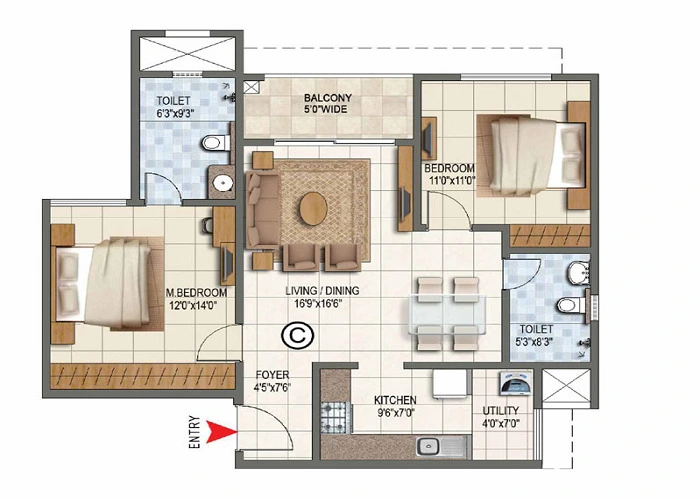
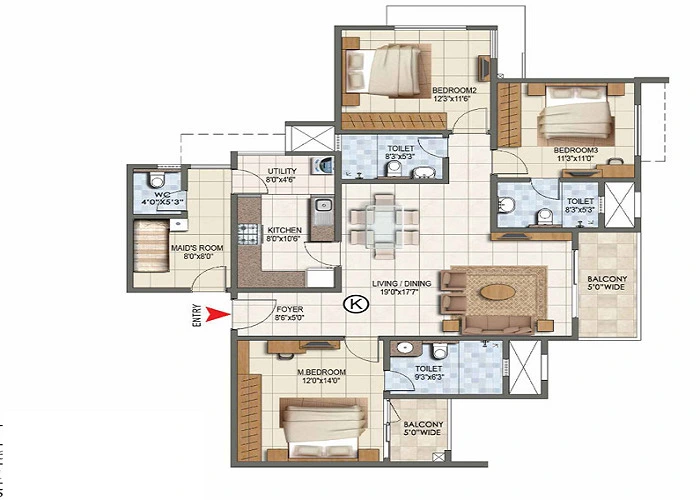
Real Floor Plans in Action: Prestige Avon


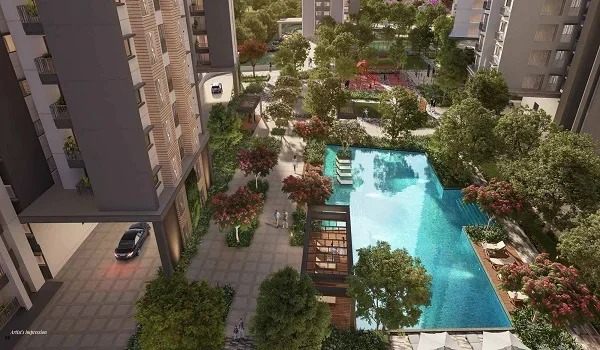
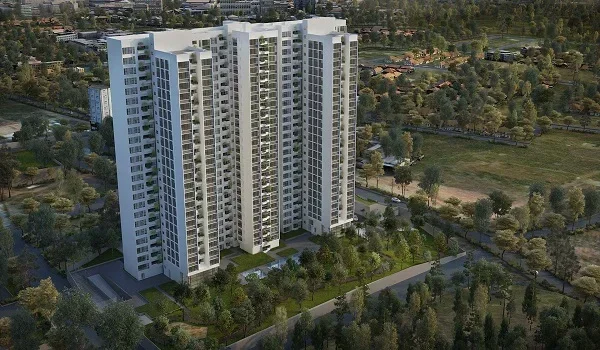
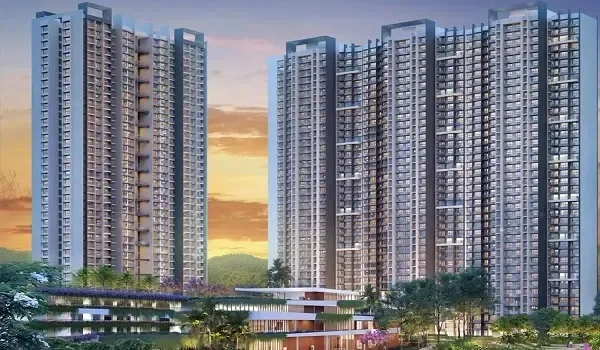
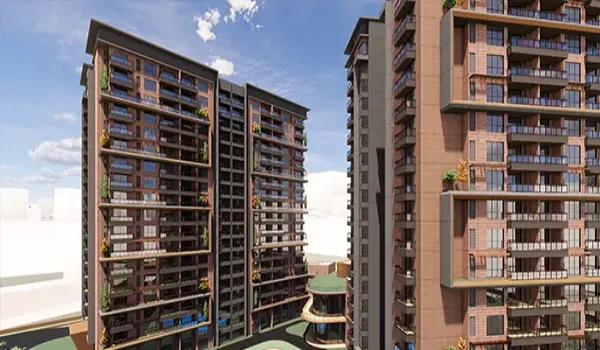
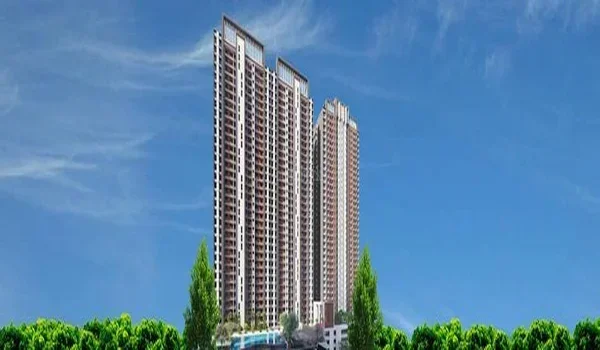
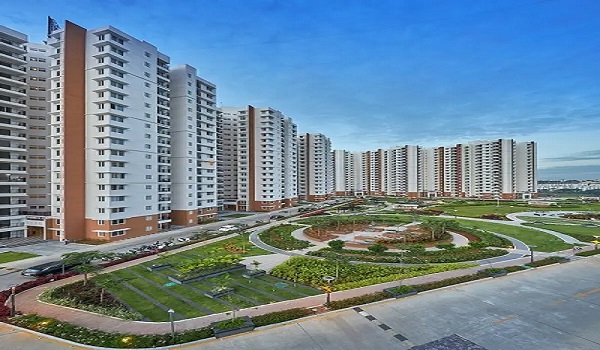
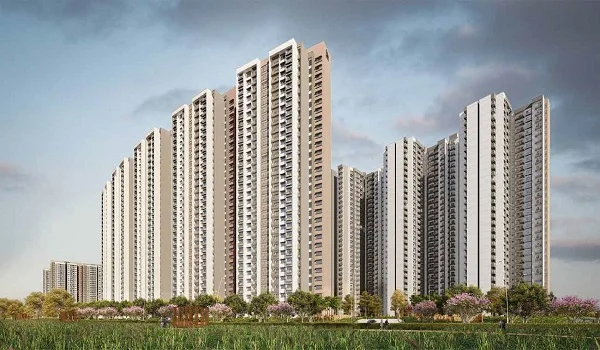
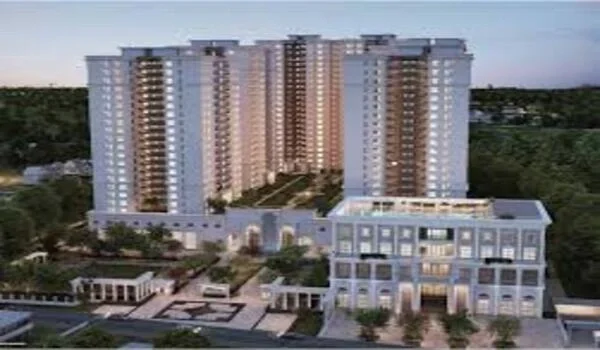
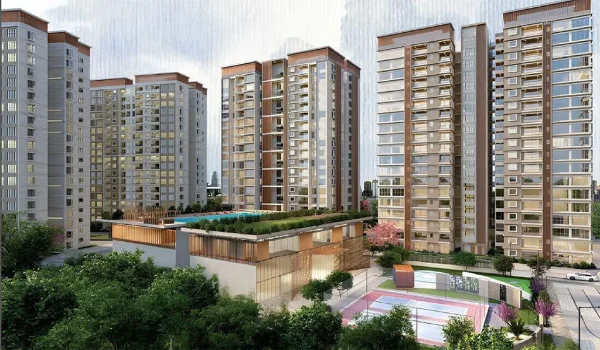
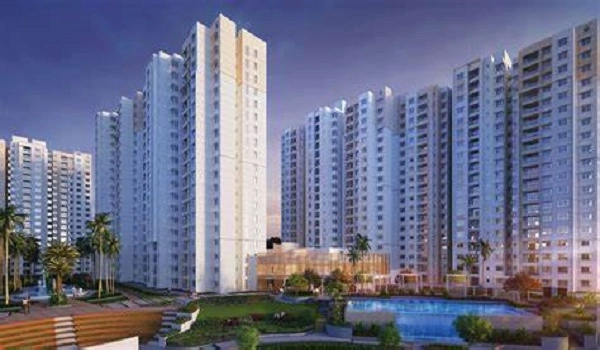
Flat orientation plays an important role in planning modern apartment towers. Prestige Avon on Thanisandra Main Road in North Bengaluru is one example. The project covers 3 acres and has 250+ flats across three G+16 towers. About 30% of the land is used for the building footprint, while around 35% is planned as landscaped green space. The layout is designed to make good use of east and west sunlight across the 2 and 3 BHK homes.

  • East-Facing 3 BHK Premia Flats (1,700 to 1,900 sq. ft.): These homes catch direct sunrise through wide living room balconies. Because they escape the harsh afternoon sun, they stay naturally cool in the evening, keeping power bills low for working families.
  • West-Facing 3 BHK Ultima Corner Units (2,000 sq. ft.): These large corner homes offer open views of the central gardens and evening sky. Their deep balconies can help block direct sunlight from the bedrooms. This can keep the rooms more comfortable and pleasant during Bengaluru’s cooler months.
  • 2 BHK Optima Layouts (1,300 sq. ft.): These flats use smart window placements to push fresh air through the rooms, keeping indoor air fresh and cutting down the need for heavy cooling.

Vastu Rules and Resale Demand: East vs West


East-facing flats connect to the rising sun and are widely seen as positive for health, fresh energy, and growth in Vastu. Main doors set in the 3rd and 4th east sections (Jayanta and Indra) attract high buyer demand, which helps them sell 10% to 15% faster in the resale market.

West-facing flats connect to the water element and are fully positive when the main door sits in the correct sections (Pushpadanta or Sugriva). Many business owners, lawyers, and corporate managers pick west-facing flats because traditional beliefs link this side with steady wealth and long-term earnings.

  • Kitchen Spot: East homes usually put the kitchen in the South-East corner, while west homes work well with a South-East or North-West kitchen.
  • Master Bedroom: Both styles place the main bedroom in the South-West corner to ensure good sleep and calm rest.
  • Balcony Use: East balconies are great for growing fresh herbs and small plants, while west balconies suit sun-loving plants like cacti.

FAQs


1. Which flat saves more money on monthly electricity bills?

East-facing flats save 15% to 25% on yearly power bills because they do not face strong afternoon sun. This keeps the living areas naturally cool and prevents your air conditioner from running constantly.

2. Why do west-facing flats stay warm late into the night?

Thick concrete walls soak up harsh sun during the late afternoon. The walls store this heat and release it into the bedrooms long after sunset, keeping the rooms warm until late at night.

3. Are west-facing flats bad according to Vastu?

No, west-facing flats are not bad in Vastu. If the main entrance door is built in the central-west sections like Pushpadanta or Sugriva, the flat is considered good for growth and business success.

4. Can curtains or window films fix the heat in a west flat?

Yes, adding heat-blocking window films or double curtains cuts incoming heat by up to 70%. These simple fixes stop the sun from heating your floors and furniture while keeping the room bright.

5. Which flat orientation is better during winter months?

West-facing flats perform much better in winter because they soak up warm sunlight throughout the afternoon. This natural warmth stays inside the home, keeping your rooms comfortable during cold winter nights.

Prestige Avon Blog


Enquiry
Enquire Now