How maintenance works in township communities
Featured Image of How maintenance works in township communities


How maintenance works in township communities relies on pooled monthly fees, usually between ₹3.50 and ₹7.50 per square foot, that pay for shared water, power, and road networks across large land parcels. Living in a township feels like living in a self-run small town. Instead of each family fixing streetlights or cleaning storm drains, a professional team handles it all behind the scenes.

You pay your monthly fee into a common bank account that the resident committee manages. They use this money to pay the security team, clear power bills, clean the drains, and keep the lifts running smoothly. A small part of your money goes straight into a rainy-day savings account. It sits safely in the bank until the buildings need big fixes years later, like new paint or fresh road tar.


Daily Work: How On-Site Facility Teams Keep Things Clean and Safe


Township maintenance teams work in morning and night shifts to keep common areas clean, safe, and ready to use. An on-site manager guides the team, checks repair work, and makes sure resident requests are handled on time.

  • Lobby and Corridor Cleaning: Staff sweep and mop shared lobbies, lift areas, and staircases twice a day.
  • Doorstep Garbage Collection: Workers collect waste from each flat and separate wet and dry waste before processing food waste on site.
  • Gate and Fence Security: Security guards check people and vehicles at the gates, track visitors through digital apps, and patrol the outer areas day and night.
  • Road and Drain Cleaning: Staff clear leaves and dirt from paths and internal roads each morning. This also helps keep rainwater drains clear.
If a tap leaks or a hallway bulb burns out, you raise a quick request through the society phone app, and a technician usually shows up within hours.

Heavy Utilities: How Water, Power, and Sewers Run Without Stopping


Townships may have private plants for clean water, wastewater treatment, and backup power during power cuts. These systems need regular care to keep them working well. Trained technicians check the systems each day and fix issues before they turn into bigger problems.

  • Sewage Treatment Plants (STP): Big underground tanks treat dirty water from sinks and bathrooms. The cleaned water flows through separate pipes to water gardens and flush toilets.
  • Water Filtration Plants (WTP): Underground pumps pull water from borewells or city lines through sand and carbon filters to make it safe for taps and showers.
  • Backup Generator Banks (DG Sets): Huge diesel generators kick in within seconds when the public electricity goes out, powering lifts, water pumps, and home fans.
  • Water Booster Pumps: Mechanical pumps push water up to rooftop tanks so top-floor flats always enjoy strong, steady water pressure.

Engineers test treated water quality every day and run the backup engines on weekly trials to make sure everything works during a sudden blackout.

The Money Side: How Maintenance Bills Are Split and Collected


Monthly maintenance fees are split so you pay a fair share based on the size of your flat and how much you use shared areas. By law, if your monthly maintenance bill crosses ₹7,500, an 18% Goods and Services Tax (GST) applies to the full bill amount.

Cost Head What It Pays For How It Is Split
Daily Operations Guard pay, cleaning staff wages, generator diesel, garden care Based on your flat’s square footage
Sinking Fund Repainting walls, new lift motors, fresh road tarmac A fixed small percentage saved for the future
Clubhouse & Sports Pool cleaning, gym equipment servicing, sports lighting Split equally among all flats
Surprise Repairs Fixing sudden pump burnouts or water pipe bursts Paid from extra interest earned on society savings

Most housing societies send automated digital bills around the first of the month. If anyone misses paying on time, the system automatically adds a small late fee after a couple of weeks.

Community in Action: How Maintenance Works at Prestige Avon


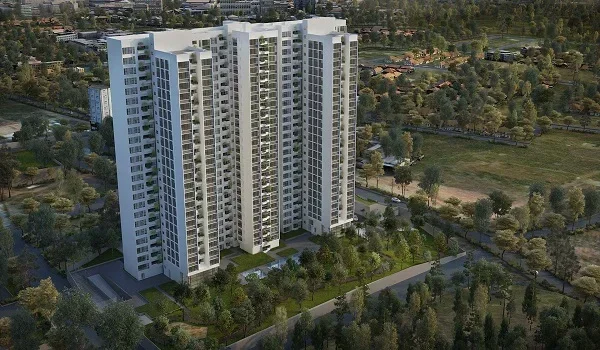
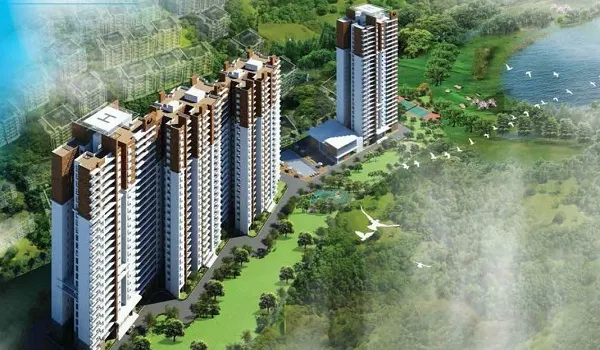
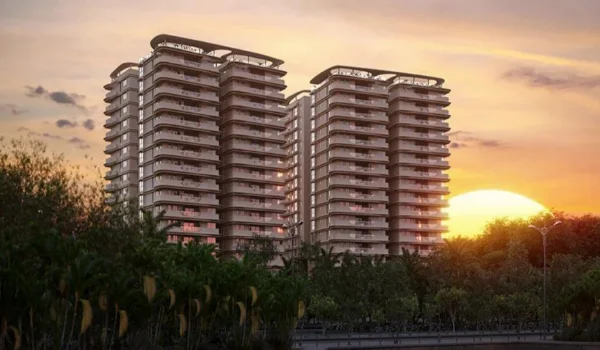
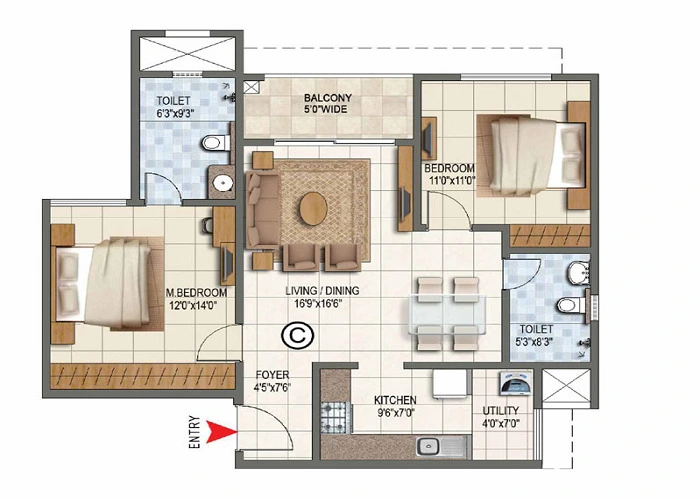
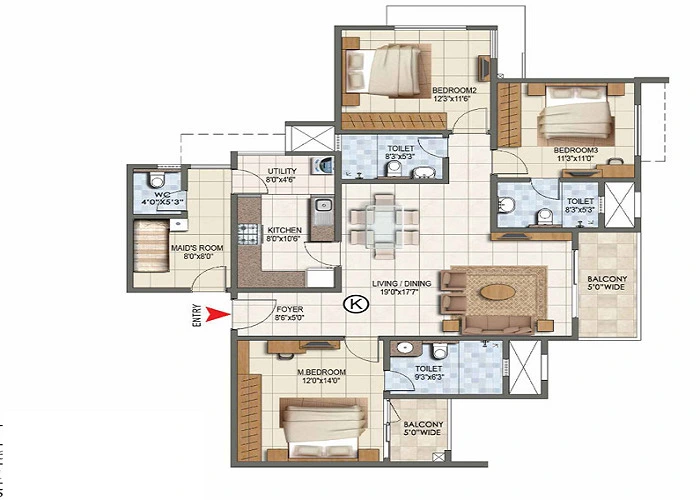
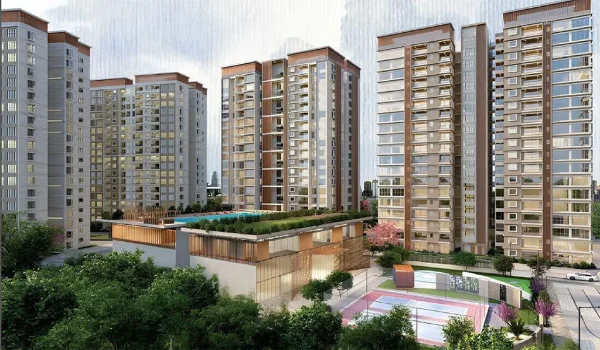
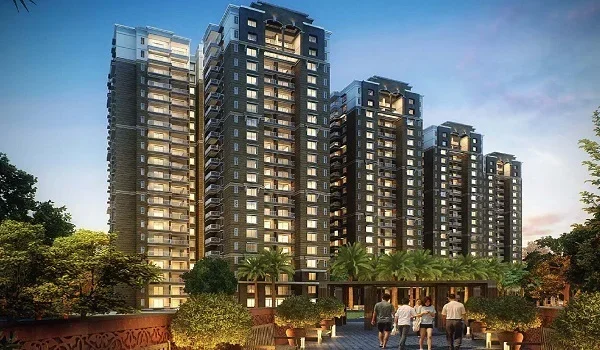
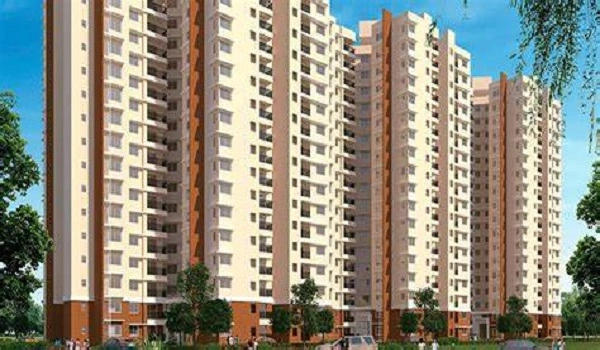
Looking at Prestige Avon on Thanisandra Main Road in North Bengaluru helps you see how maintenance works in a well-planned, high-rise project. Planned across a neat 3-acre parcel by Prestige Estates Projects Ltd, the gated enclave holds around 250 spacious 2 and 3 BHK flats spread across three G+16 towers.

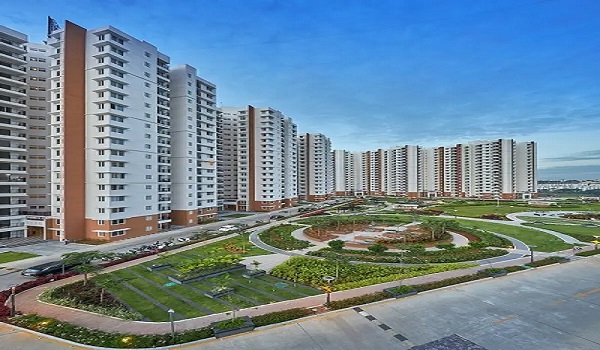
  • Caring for Gardens and Grounds: Ground teams spend every morning trimming grass and watering plants across the 35% landscaped green areas, using treated recycled water so fresh water is never wasted.
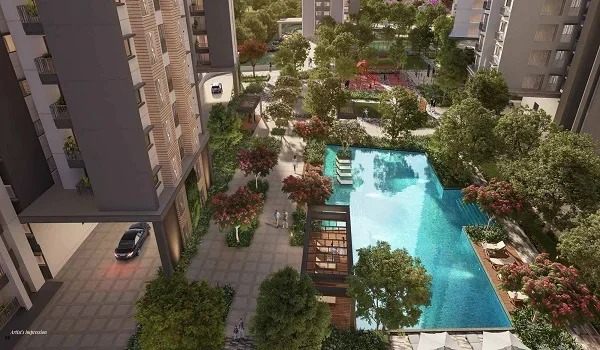
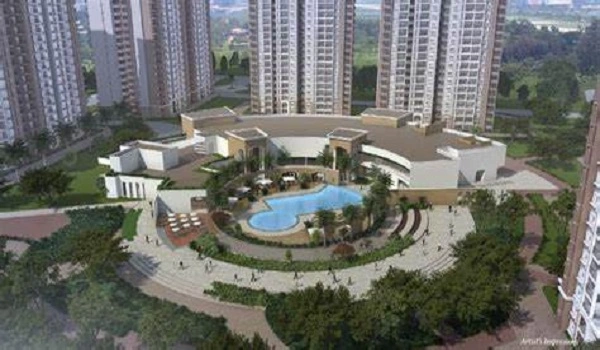
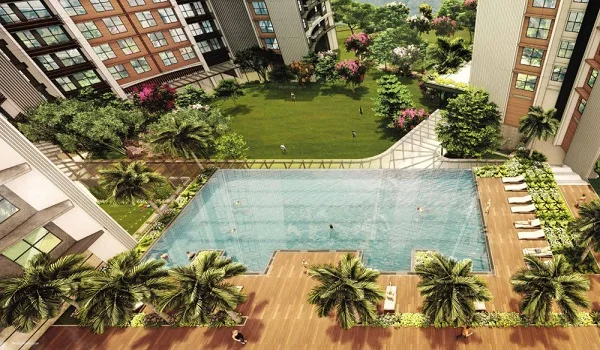
  • Clubhouse and Pool Upkeep: The private "Club Life" building gets daily care—technicians balance pool chlorine, clean gym mats, and check the indoor sports zones so they stay fresh.
  • Green Utility Care: Technical crews run the on-site sewage plant and clean out rainwater collection pits, protecting water supply lines right under the grounds.
  • Gate Control and Basement Parking: Security guards monitor entry points and oversee multi-level basement car parking built to hold 1.2 to 1.5 cars per flat, keeping driveways clear.

Because Prestige Avon holds around 250 homes on three acres, the management team can run a tight ship without the huge team sizes needed for 50-acre setups.

Long-Term Upkeep: How Townships Protect Buildings Over Many Years


Good maintenance is not just about sweeping floors today; it is about protecting the value of your home for the next 20 to 30 years. Society committees plan out big repair jobs years ahead so owners do not face sudden, scary financial bills.

  • Checking Building Walls: Engineers inspect basement joints, outside walls, and terrace slabs every few years to patch small cracks before rain leaks in.
  • Servicing Lift Cables: Lift companies inspect traction cables, pulleys, and emergency brakes every month, replacing worn parts under official safety rules.
  • Resurfacing Driveways: Every seven to ten years, internal roads and walking tracks get a fresh coat of tar or new paving stones.
  • Cleaning Storm Drains: Before the rainy season arrives, workers clean out all roadside gullies and ground drains so heavy rains flow away smoothly.

When a township plans its work this way, equipment lasts longer, buildings stay fresh, and property resale values remain high.

FAQs


1. How do I ask for repairs if something breaks in my flat?

You open your society app, pick your issue, like a plumbing leak or faulty bell and submit a photo. The helpdesk assigns a handyperson to your door, usually within a couple of hours.

2. Why do bigger flats pay higher maintenance fees than smaller flats?

Bigger homes own a larger share of the overall building area. That means they carry a larger share of the cost for running lifts, power backups, and structural roof repairs.

3. Where does all the treated water from the sewage plant go?

Treated water never goes to waste. It flows through separate, dedicated pipes to water grass and flowers across the gardens or to fill bathroom flush tanks.

4. How does maintenance work at Prestige Avon compare to huge 100-acre townships?

Prestige Avon covers a compact 3-acre area with roughly 250 homes. The smaller ground area means guards can watch gates easily, corridors are quick to clean, and shared bills stay balanced.

5. What is a sinking fund, and why do I have to pay it every month?

A sinking fund is your society's rainy-day savings account. The money sits in bank deposits until the community needs large, expensive work done, such as outer building painting or replacing old lift motors.

Prestige Avon Blog


Enquiry
Enquire Now